Crack Cocaine: Next Steps in Georgia
The next step for crack cocaine concerns can be a confidential admissions conversation and an individualized assessment. Gather basic information about current use, other substances, medications, health concerns, and scheduling needs.

Editorial lead: Tim Francis. Educational content receives source-based editorial review.
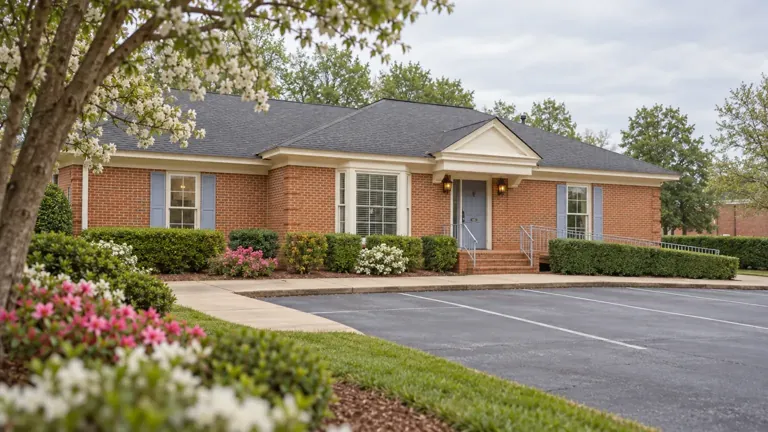
- LocationColumbus, GA3822 Rosemont Drive, Columbus, GA 31904
- Levels of careOutpatientPHP, IOP, Evening IOP, and outpatient therapy
- Admissions706-617-4970A private first call about fit and next steps
- Listed facility hoursMon–Fri9:00 AM to 5:00 PM; closed Saturday and Sunday
At a Glance
The next step for crack cocaine concerns can be a confidential admissions conversation and an individualized assessment. Gather basic information about current use, other substances, medications, health concerns, and scheduling needs. River City Recovery provides adult PHP, IOP, Evening IOP, and outpatient therapy from Columbus, Georgia.
River City Recovery’s published outpatient programs are based in Columbus, GA. You can review IOP, PHP, and insurance verification when you are ready.

Start with immediate safety
Before planning routine care, consider whether anyone is in immediate danger. Chest pain, trouble breathing, seizure activity, loss of consciousness, severe confusion, or threatening behavior requires urgent attention. Call 911 or go to the nearest emergency department rather than waiting for an outpatient response.
- Emergency symptoms need 911 or the nearest emergency department
- Non-emergency cocaine concerns can begin with an outpatient call
Thoughts of self-harm or an inability to stay safe also require urgent action. Emergency evaluation should come first when symptoms are severe, sudden, or potentially life-threatening.
If the situation is not an emergency, reduce immediate risks where possible. Avoid driving while impaired, do not use alone, and move away from people or settings connected with use. A trusted person may help with transportation, communication, or making an initial call.
Gather information for an assessment

An admissions conversation is easier when basic details are available. Write down the recent pattern of crack cocaine use, approximate last use, other substances, current medications, medical concerns, and mental health symptoms. Include previous treatment or periods when reducing use was more manageable.
- Assessment considers cocaine use, health, and practical needs
- Travel and scheduling affect whether Columbus-based care is workable
Also consider practical needs. Transportation, employment, education, caregiving, and housing can affect outpatient participation. Sharing these issues early helps staff discuss scheduling and whether Columbus-based services may be realistic for someone living elsewhere in Georgia.
There is no need to create a perfect account before calling. Provide the most accurate information you can and ask questions when unsure. Assessment exists to develop a clearer picture, not to test whether someone already understands the appropriate level of care.
Understand River City Recovery’s options
River City Recovery offers a Partial Hospitalization Program, Intensive Outpatient Program, Evening IOP, and outpatient therapy for adults. The programs provide different degrees of outpatient structure. Placement depends on assessment, current needs, safety, and the ability to participate.
- Assessment guides the appropriate outpatient program level
- Referrals support needs beyond River City Recovery’s scope
Services include individual therapy, medication management, drug testing and monitoring, case management, family support, clinical and medical assessments, medical oversight, and care coordination. Not every service is necessarily part of every person’s plan. Recommendations are individualized.
When a person appears to need services outside the facility’s scope, staff may discuss referrals and coordination. Admission, placement, and outcomes cannot be guaranteed.

Levels of care
Outpatient Levels of Care in Columbus, GA
Partial Hospitalization (PHP)
Structured daytime outpatient care with clinical oversight.
Explore Partial Hospitalization (PHP)Intensive Outpatient (IOP)
Several treatment sessions each week while you keep up with daily life.
Explore Intensive Outpatient (IOP)Evening IOP
Intensive outpatient care scheduled after typical work hours.
Explore Evening IOPOutpatient Therapy
One-to-one therapy on a less intensive schedule.
Explore Outpatient Therapy
Plan for Columbus-based outpatient care

The facility is located at 3822 Rosemont Drive, Columbus, GA 31904. Facility hours are Monday through Friday from 9:00 AM to 5:00 PM. Prospective clients across Georgia can contact admissions to discuss whether travel and ongoing attendance are practical.
- Columbus, GA attendance must be practical and consistent
- Evening IOP times should be reconfirmed before planning
The Evening IOP meets on Monday, Wednesday, and Thursday from 6:15 to 9:15 PM. Reconfirm the current schedule before making plans. Ask how often attendance is expected and how the assessment process relates to program recommendations.
Named insurance participation should be verified directly rather than assumed. It is also useful to ask what information or documents may be needed. A clear admissions conversation can prevent confusion and help the person prepare for the next administrative or assessment step.
Build a practical support plan
Recovery-focused change often requires more than one decision. Identify supportive people, safer places, transportation, and routines that can help between appointments. Remove substances and related items from the immediate environment when it is safe to do so.
- A support plan can make cocaine-related change more manageable
- Trusted people may help with transportation and encouragement
Plan for cravings before they occur. A short list might include leaving a triggering setting, contacting a trusted person, changing the day’s route, or attending a scheduled appointment. Discuss recurring triggers during assessment and therapy rather than treating them as personal failures.
Family members can offer transportation, encouragement, or help organizing questions. Clear boundaries may also be necessary. The adult seeking care remains responsible for participating honestly and making treatment decisions, while family support can make practical follow-through easier.

A practical next step
Get clarity on insurance and care
Coverage depends on your plan and the care being considered. Our admissions team can explain verification and help you understand the next step.
Frequently Asked Questions
What is the first step toward outpatient care?
Contact admissions to discuss current concerns and learn how assessment begins. Be ready to share information about crack cocaine use, other substances, medications, health, mental health symptoms, and scheduling needs. The conversation does not guarantee admission.
Can I choose PHP or IOP before assessment?
You may ask about any program, but placement depends on individualized assessment. Staff consider safety, clinical needs, current use, support, and practical participation requirements before discussing an appropriate outpatient option.
What if I need detox or residential care?
Withdrawal may require medical evaluation, while overnight care involves a different setting from the published outpatient programs. Care coordination and referrals may help identify outside services when assessment indicates that outpatient care is not the appropriate starting point.
Can someone outside Columbus seek care?
Adults elsewhere in Georgia can contact River City Recovery and ask whether Columbus-based outpatient attendance is practical. Services described here are based at the Columbus facility.
What should a family member do next?
Offer calm, specific support, help gather information, and ask whether the person wants assistance making a call. Set safety-focused boundaries without shaming. Use 911 or the nearest emergency department if there is immediate danger.
Admissions
Talk with River City Recovery
Call 706-617-4970 to begin a conversation about outpatient options with River City Recovery.
Related Topics