Co-Occurring Mental Health and Substance Use Treatment Support in Georgia
Co-occurring support considers mental health and substance use concerns together instead of treating them as unrelated problems. River City Recovery offers adult outpatient options in Columbus, Georgia.

Editorial lead: Tim Francis. Educational content receives source-based editorial review.
- LocationColumbus, GA3822 Rosemont Drive, Columbus, GA 31904
- Levels of careOutpatientPHP, IOP, Evening IOP, and outpatient therapy
- Admissions706-617-4970A private first call about fit and next steps
- Listed facility hoursMon–Fri9:00 AM to 5:00 PM; closed Saturday and Sunday
At a Glance
Co-occurring support considers mental health and substance use concerns together instead of treating them as unrelated problems. River City Recovery offers adult outpatient options in Columbus, Georgia. Available services include assessments, individual therapy, medication management, monitoring, family support, case management, medical oversight, and coordination with referrals when other resources are needed.
River City Recovery’s published outpatient programs are based in Columbus, GA. You can review IOP, PHP, and insurance verification when you are ready.

Why reaching out for co-occurring support in Columbus, GA helps
You can seek co-occurring support before mental health or substance use concerns reach a crisis. Managing both alone can be difficult, especially when each affects daily routines, relationships, or the other concern. A conversation can begin with what is happening now, without requiring you to decide which issue came first.
- Co-occurring support can start before a crisis
- Assessment considers mental health and substance use together
River City Recovery provides adult outpatient care that includes clinical and medical assessments, individual therapy, medication management, medical oversight, drug testing and monitoring, family support, and case management. Care coordination and referrals can support needs outside the facility’s scope.
Available levels include a Partial Hospitalization Program, Intensive Outpatient Program (IOP), Evening IOP, and outpatient therapy. Recommendations depend on assessment and practical circumstances. To discuss co-occurring mental health and substance use through Columbus, GA based outpatient care serving adults across Georgia, call 706-617-4970.
Understanding co-occurring concerns

Co-occurring concerns involve mental health symptoms and substance use appearing in the same person. The experiences may influence each other, but their relationship is not always simple. Substance use may be connected with attempts to cope, while stress related to use can also add to emotional or behavioral difficulties.
- Co-occurring care considers mental health and substance use together
- You need not decide which concern came first
A person does not need to decide which concern came first before seeking support. It is more useful to describe current symptoms, patterns of use, changes in functioning, and previous treatment. This gives the care team a clearer picture than focusing on only one part of the situation.
Non-stigmatizing language matters. Substance use and mental health concerns are health-related needs, not personal failures. Respectful conversations can make it easier for an adult to provide accurate information, participate in assessment, and discuss the type of outpatient structure that may be manageable.
Why assessment is an important first step
People with similar symptoms may have different needs. A clinical or medical assessment can organize information about mental health, substance use, daily functioning, medications, support systems, and prior care. River City Recovery includes clinical and medical assessments among its services.
- Assessment considers health needs, daily life, and practical barriers
- Georgia residents receive care through the Columbus, GA location
Assessment is also a time to discuss practical factors. Work, family obligations, transportation, and the ability to attend scheduled programming can affect whether a particular outpatient option is realistic. Adults traveling from elsewhere in Georgia should consider that services are delivered from the Columbus location.
The initial conversation should be honest about needs that may fall outside outpatient care. Care coordination and referrals are available services when needs involve resources beyond the program.

Levels of care
Outpatient Levels of Care in Columbus, GA
Partial Hospitalization (PHP)
Structured daytime outpatient care with clinical oversight.
Explore Partial Hospitalization (PHP)Intensive Outpatient (IOP)
Several treatment sessions each week while you keep up with daily life.
Explore Intensive Outpatient (IOP)Evening IOP
Intensive outpatient care scheduled after typical work hours.
Explore Evening IOPOutpatient Therapy
One-to-one therapy on a less intensive schedule.
Explore Outpatient Therapy
Adult outpatient programs and services

River City Recovery offers a Partial Hospitalization Program, Intensive Outpatient Program, Evening IOP, and outpatient therapy. These levels provide different amounts of structure. A caller can ask how each program operates, what assessment is required, and what attendance expectations currently apply.
- Outpatient levels offer different amounts of treatment structure
- Evening IOP times should be reconfirmed before making plans
Supporting services include individual therapy, medication management, medical oversight, drug testing and monitoring, case management, family support, and care coordination and referrals. This range allows conversations to address more than a single symptom while remaining within an adult outpatient setting.
River City Recovery offers Evening IOP on Monday, Wednesday, and Thursday from 6:15 to 9:15 PM. This schedule should be reconfirmed before making plans. Facility hours are Monday through Friday from 9:00 AM to 5:00 PM and do not represent continuous admission availability.
Starting care from anywhere in Georgia
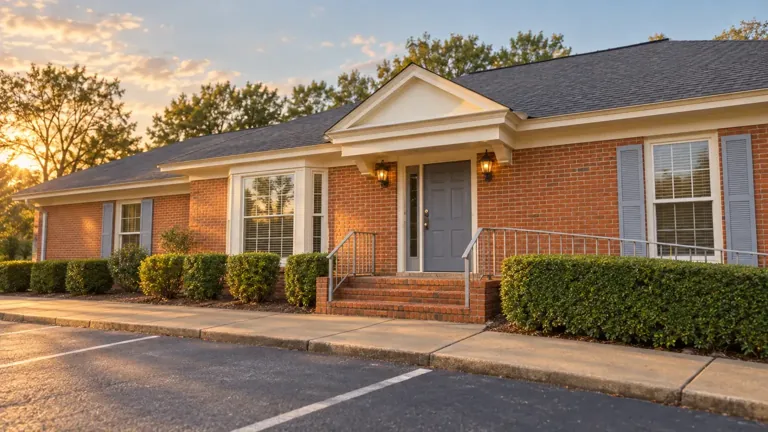
River City Recovery is located at 3822 Rosemont Drive, Columbus, GA 31904. Adults and families elsewhere in Georgia can call to learn whether attending Columbus-based outpatient care is practical. Distance, transportation, work hours, and the expected frequency of attendance are useful topics for the first conversation.
- Travel and attendance matter for Columbus, GA outpatient care
- The Joint Commission locator lists three outpatient categories
Begin by sharing the main mental health concerns, the substance or substances involved, and how these issues affect daily life. You can also ask about assessment, program structure, medication management, family support, and coordination with outside resources. A call is a way to gather information, not a promise of admission or results.
River City Recovery is listed in The Joint Commission Behavioral Health Care and Human Services provider locator under provider ID 744716. The listing includes PHP, IOP, and outpatient therapy categories. Admissions can provide current information about the available services and next procedural steps.

Help for loved ones facing co-occurring concerns
A loved one can call with general questions about co-occurring mental health and substance use care. Family support is available, and relatives may learn about assessments, outpatient programs, and care coordination. The adult’s privacy, preferences, and choice remain central to decisions about treatment and family participation.
- Loved ones can call about co-occurring outpatient care
- Family support respects the adult’s privacy and decisions
River City Recovery can provide general information about care in Columbus, GA, including the Partial Hospitalization Program, Intensive Outpatient Program (IOP), Evening IOP, and outpatient therapy. Family members may also learn how referrals can support needs beyond the facility’s outpatient scope. A call does not promise admission or a particular level of care. For general co-occurring care information, call 706-617-4970.

Explore Co-Occurring Mental Health and Substance Use Treatment Support
- Co-Occurring Mental Health and Substance Use: How Family Can HelpExplore how families can support an adult experiencing mental health concerns and substance use, including communication, boundaries, and outpatient…
- Co-Occurring Mental Health and Substance Use: Outpatient SupportLearn how adult outpatient programs can support co-occurring mental health and substance use concerns in Georgia.
- Co-Occurring Mental Health and Substance Use: OverviewRead an overview of co-occurring mental health and substance use concerns and available adult outpatient support in Georgia.
- Co-Occurring Mental Health and Substance Use: When Substance Use Is Also PresentLearn how mental health concerns and substance use can occur together, how outpatient care may help, and how to contact River City Recovery in…
- Co-Occurring Mental Health and Substance Use: When to CallKnow when to call about co-occurring mental health and substance use concerns and what to expect when contacting River City Recovery in Georgia.
A practical next step
Get clarity on insurance and care
Coverage depends on your plan and the care being considered. Our admissions team can explain verification and help you understand the next step.
Frequently Asked Questions
What does co-occurring mean?
Co-occurring describes mental health and substance use concerns that are present in the same person. The concerns can affect one another, so it is helpful to discuss both during assessment rather than withholding one part of the experience.
What programs are available for adults?
River City Recovery offers PHP, IOP, Evening IOP, and outpatient therapy. The suitable option is not determined by a webpage alone. Call to discuss current concerns, assessment, scheduling, and the structure of each program.
Can medication needs be discussed?
Medication management and medical oversight are included among River City Recovery’s services. Call admissions to ask how these services fit within outpatient care and what information should be prepared for an assessment.
How do River City Recovery's published outpatient options compare with overnight care?
Possible withdrawal needs call for appropriate medical evaluation before outpatient planning. Those options involve scheduled visits while participants live outside the facility; an overnight setting involves a different level of care. For immediate danger, call 911 or use an appropriate emergency or crisis resource now. Its services are outpatient and are delivered from the Columbus, Georgia location.
Can assessment consider how mental health symptoms and substance use interact?
Yes. Clinical and medical assessments can consider mental health concerns, substance use patterns, medications, daily functioning, prior care, and available support. This helps create a fuller picture of current needs. Any outpatient recommendation at River City Recovery in Columbus, GA depends on the person’s assessment and circumstances.
Admissions
Talk with River City Recovery
Call River City Recovery at 706-617-4970 to discuss co-occurring concerns and available adult outpatient options.
Related Topics