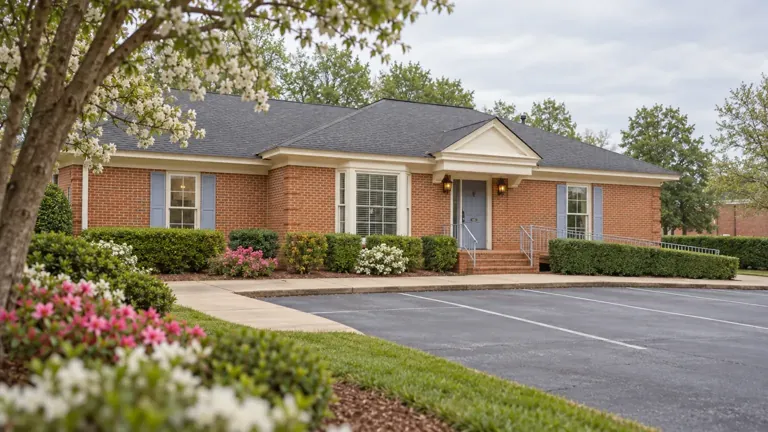
Crack Cocaine: Outpatient Care Considerations in Georgia
Outpatient care for crack cocaine use may be appropriate when an adult can participate safely while living outside a facility. Assessment considers current substance use, mental health, medical concerns, support, and scheduling needs.

Editorial lead: Tim Francis. Educational content receives source-based editorial review.
- LocationColumbus, GA3822 Rosemont Drive, Columbus, GA 31904
- Levels of careOutpatientPHP, IOP, Evening IOP, and outpatient therapy
- Admissions706-617-4970A private first call about fit and next steps
- Listed facility hoursMon–Fri9:00 AM to 5:00 PM; closed Saturday and Sunday
At a Glance
Outpatient care for crack cocaine use may be appropriate when an adult can participate safely while living outside a facility. Assessment considers current substance use, mental health, medical concerns, support, and scheduling needs. River City Recovery offers PHP, IOP, Evening IOP, and outpatient therapy at its Columbus location.
River City Recovery’s published outpatient programs are based in Columbus, GA. You can review IOP, PHP, and insurance verification when you are ready.

What outpatient care means
Outpatient care allows a person to attend scheduled services while continuing to live at home or in another community setting. An overnight setting involves a different level of care from the published outpatient programs. The right structure depends on safety, clinical needs, and the person’s ability to participate consistently.
- Outpatient crack cocaine care lets adults live at home
- Assessment considers safety, needs, and consistent participation
Crack cocaine use can affect sleep, mood, concentration, relationships, work, and physical health. Care should account for more than substance use alone. A useful plan may also address cravings, routines, mental health symptoms, family concerns, and barriers to attending treatment.
River City Recovery provides adult outpatient substance use and mental health care in Columbus. Its levels of care include a Partial Hospitalization Program, Intensive Outpatient Program, Evening IOP, and outpatient therapy. Assessment helps identify which available option may fit the person’s current needs.
Factors considered before outpatient placement

A clinical or medical assessment may explore frequency and recency of use, use of other substances, previous care, medications, physical concerns, and emotional symptoms. Staff may also ask about transportation, housing stability, work obligations, family support, and the ability to attend scheduled programming.
- Placement considers health, support, transportation, and daily responsibilities
- Needs beyond outpatient care may lead to referrals
Safety is central to the decision. For immediate danger, call 911 or use an appropriate emergency or crisis resource now. Possible withdrawal needs call for appropriate medical evaluation before outpatient planning. River City Recovery provides detox referrals when needed. Overnight treatment is a different setting from the published outpatient programs. Care coordination and referrals can help when assessment indicates that another setting should be considered.
Outpatient participation also requires enough stability to engage between visits. Strong cravings or recent return to use do not automatically answer the placement question. They should be discussed openly. Accurate information supports more appropriate recommendations and practical planning.
Services that may support recovery
River City Recovery’s services include individual therapy, medication management, drug testing and monitoring, case management, family support, care coordination, clinical and medical assessments, and medical oversight. The services used in a particular plan depend on assessed needs and the selected level of care.
- Services support clinical needs and practical barriers
- Family support does not transfer responsibility for adult choices
Individual therapy can provide space to examine triggers, patterns, goals, and barriers. Monitoring may add accountability and useful clinical information. Case management and care coordination can address practical needs or connect a person with services outside River City Recovery when appropriate.
Family support can help relatives communicate more clearly and understand their role. It does not make family members responsible for another adult’s choices. Medication management may be relevant to assessed mental health or medical needs, but specific decisions belong in a direct clinical discussion.

Levels of care
Outpatient Levels of Care in Columbus, GA
Partial Hospitalization (PHP)
Structured daytime outpatient care with clinical oversight.
Explore Partial Hospitalization (PHP)Intensive Outpatient (IOP)
Several treatment sessions each week while you keep up with daily life.
Explore Intensive Outpatient (IOP)Evening IOP
Intensive outpatient care scheduled after typical work hours.
Explore Evening IOPOutpatient Therapy
One-to-one therapy on a less intensive schedule.
Explore Outpatient Therapy
Scheduling and access from across Georgia

River City Recovery is located at 3822 Rosemont Drive, Columbus, GA 31904. Facility hours are Monday through Friday from 9:00 AM to 5:00 PM. Adults outside Columbus can ask whether travel to Columbus-based care is workable and what attendance expectations apply.
- Columbus, GA attendance may require regular travel planning
- Evening IOP can support some daytime obligations
An Evening IOP meets on Monday, Wednesday, and Thursday from 6:15 to 9:15 PM. Because schedules can change, prospective clients should reconfirm current times. Evening programming may be worth discussing for adults balancing employment, education, caregiving, or other daytime duties.
Before making plans, ask about the assessment process, program frequency, anticipated schedule, and documents or information to have available. Named insurance participation should always be verified directly. A call can clarify the process, but it does not guarantee admission or a specific placement.
Starting Outpatient Care for Crack Cocaine in Columbus, GA
The first call gives you space to explain the current crack cocaine concerns and learn how outpatient care begins. Admissions can discuss recent use, other substances, medications, mental health symptoms, physical concerns, past care, transportation, and scheduling. You do not need to choose a level of care before calling.
- The first call covers crack cocaine concerns and scheduling
- Assessment helps clarify an appropriate level of support
A clinical or medical assessment may follow, helping the team consider safety, daily responsibilities, and which available structure may fit. River City Recovery offers a Partial Hospitalization Program, Intensive Outpatient Program (IOP), Evening IOP, and outpatient therapy. These options differ in structure and time commitment.
If outpatient care does not match your needs, care coordination and referrals may support another direction. Immediate danger, severe medical distress, or a mental health crisis requires 911 or the nearest emergency department. For immediate danger, call 911 or use an appropriate emergency or crisis resource now. To discuss a possible next step, call 706-617-4970.

A practical next step
Get clarity on insurance and care
Coverage depends on your plan and the care being considered. Our admissions team can explain verification and help you understand the next step.
Frequently Asked Questions
Is outpatient care suitable for everyone using crack cocaine?
No single setting fits everyone. Placement depends on an individualized assessment of substance use, safety, mental health, medical concerns, support, and participation needs. Some people may need services that River City Recovery does not provide.
What outpatient levels does River City Recovery offer?
River City Recovery offers a Partial Hospitalization Program, Intensive Outpatient Program, Evening IOP, and outpatient therapy for adults. Available services and placement depend on assessment rather than a diagnosis or substance name alone.
Does outpatient care include housing?
No. Outpatient participants live outside the facility and attend scheduled services. Staff can discuss care coordination and referrals when a different setting is indicated.
How can someone begin?
Contact admissions and share accurate information about substance use, health concerns, mental health symptoms, medications, and scheduling needs. Staff can explain assessment steps and current program availability. Admission and placement cannot be promised before that process.
Does crack cocaine outpatient care require regular travel to Columbus, GA?
Yes. River City Recovery provides care at its Columbus, GA facility, so participation may involve regular travel for scheduled services. Admissions can explain current attendance expectations and program times. Adults elsewhere in Georgia can discuss whether that travel is practical, but contacting the facility does not guarantee admission or placement.
Admissions
Talk with River City Recovery
Call 706-617-4970 to ask River City Recovery about assessment and outpatient program options.
Related Topics