Attachment-Based Approaches in Georgia
Attachment-based approaches consider how important relationships and patterns of trust, safety, closeness, and independence may affect present experiences. In adult outpatient care, these ideas may inform conversations about coping, recovery, and support.

Editorial lead: Tim Francis. Educational content receives source-based editorial review.
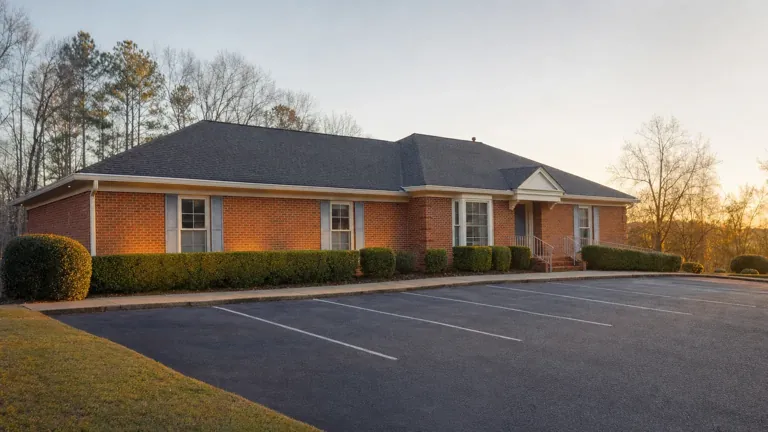
- LocationColumbus, GA3822 Rosemont Drive, Columbus, GA 31904
- Levels of careOutpatientPHP, IOP, Evening IOP, and outpatient therapy
- Admissions706-617-4970A private first call about fit and next steps
- Listed facility hoursMon–Fri9:00 AM to 5:00 PM; closed Saturday and Sunday
At a Glance
Attachment-based approaches consider how important relationships and patterns of trust, safety, closeness, and independence may affect present experiences. In adult outpatient care, these ideas may inform conversations about coping, recovery, and support. River City Recovery offers substance use and mental health services at several outpatient levels from its Columbus, Georgia facility.
River City Recovery’s published outpatient programs are based in Columbus, GA. You can review IOP, PHP, and insurance verification when you are ready.

Understanding an attachment-based perspective
An attachment-based perspective explores how people experience connection, separation, trust, support, and emotional safety. Earlier and current relationships may influence how an adult asks for help, responds to conflict, manages distress, or interprets another person’s actions. These patterns are not simple labels, and they do not determine a person’s future.
- Attachment-based work explores trust, connection, support, and emotional safety
- Relationship patterns can be understood without becoming permanent labels
Therapeutic discussion may help an adult notice relationship expectations and coping responses. It can also identify supportive experiences that provide a foundation for change. The approach should remain respectful and nonjudgmental. A clinician must consider the person’s goals, history, current circumstances, and broader treatment needs before choosing how attachment concepts might be used.
Potential relevance to recovery and mental health

Substance use and mental health concerns can affect relationships, and relationship strain can affect coping. An attachment-informed discussion may examine what happens when an adult feels rejected, overwhelmed, dependent, isolated, or unsure of support. Recognizing patterns can create opportunities to practice clearer communication, boundaries, emotional awareness, and help-seeking.
- Therapy can support clearer boundaries, communication, and help-seeking
- Attachment-based care does not require reconciliation or family involvement
This perspective does not assume that family members caused every concern. It also does not require a person to reconcile with anyone. Treatment can focus on current needs and safer patterns. Some adults may explore supportive relationships, while others may first need to identify boundaries. Any direction should reflect assessment and individualized planning.
Programs and services at River City Recovery
River City Recovery offers a Partial Hospitalization Program, Intensive Outpatient Program, Evening IOP, and outpatient therapy for adults. The Evening IOP schedule runs on Monday, Wednesday, and Thursday from 6:15 to 9:15 PM, although callers should reconfirm it. Program selection depends on assessment, individual needs, and current availability.
- Assessment helps connect your needs with an outpatient program
- Columbus, GA programs may include attachment-based ideas within broader care
Services include individual therapy, medication management, drug testing and monitoring, care coordination and referrals, case management, family support, clinical and medical assessments, and medical oversight. Attachment-based ideas may be one consideration within broader care rather than a stand-alone solution. Ask admissions how therapeutic methods are currently selected and used in each program.

Levels of care
Outpatient Levels of Care in Columbus, GA
Partial Hospitalization (PHP)
Structured daytime outpatient care with clinical oversight.
Explore Partial Hospitalization (PHP)Intensive Outpatient (IOP)
Several treatment sessions each week while you keep up with daily life.
Explore Intensive Outpatient (IOP)Evening IOP
Intensive outpatient care scheduled after typical work hours.
Explore Evening IOPOutpatient Therapy
One-to-one therapy on a less intensive schedule.
Explore Outpatient Therapy
Scope and limits of outpatient care

Attachment-based therapy cannot replace those services when they are necessary. A person facing an emergency should use an appropriate emergency resource. Someone who may need detoxification or residential support should seek a provider equipped for that setting.
- Outpatient care does not replace detox, residential, or emergency services
- Care coordination can support referrals beyond the Columbus, GA facility
River City Recovery can provide care coordination and referrals as part of its services. No therapy or program can promise a particular result. Admission also cannot be assumed before assessment and review. If insurance coverage is important, request direct verification for the relevant service rather than relying on a general assumption about a plan.
Taking the next step in Georgia
Adults considering care can contact admissions to describe their main concerns and ask about outpatient options. Useful questions include how assessments work, what schedules are available, how treatment goals are developed, and whether attachment-based concepts are appropriate. Mention any practical needs that could affect consistent participation at the Columbus facility.
- Georgia adults can discuss concerns and available outpatient options
- Facility hours are weekdays from 9:00 AM to 5:00 PM
River City Recovery is located at 3822 Rosemont Drive, Columbus, GA 31904. Facility hours are Monday through Friday from 9:00 AM to 5:00 PM. Listed facility hours do not establish continuous admissions or emergency availability. People living elsewhere in Georgia can ask whether Columbus-based care is feasible and what referral support may be available when it is not.
Explore Attachment-Based Approaches
- Attachment-Based Approaches: FAQsLearn about attachment-based approaches for adults in Georgia and how therapy may support relationships, emotional awareness, and recovery goals.
- Attachment-Based Approaches: In Outpatient CareLearn how attachment-based approaches may relate to adult outpatient substance use and mental health care in Georgia. Discuss whether River City…
- Attachment-Based Approaches: OverviewReview attachment-based approaches for adult outpatient substance use and mental health care in Georgia, including goals, services, limits, and next…
A practical next step
Get clarity on insurance and care
Coverage depends on your plan and the care being considered. Our admissions team can explain verification and help you understand the next step.
Frequently Asked Questions
Are attachment patterns permanent?
No. An attachment-based perspective treats patterns as understandable responses, not fixed identities or permanent predictions. Adults may develop new ways of communicating, setting boundaries, receiving support, and responding to distress through experience, reflection, and appropriate care.
Does attachment-based care require family participation?
Not necessarily. Attachment themes can be explored in individual therapy. River City Recovery also offers family support, but its role depends on the participant’s needs, permissions, plan, and current program structure. Ask admissions how family involvement is handled.
Is attachment-based therapy a program level?
No. It is a way of understanding and addressing relationship patterns. PHP, IOP, Evening IOP, and outpatient therapy are listed care levels or formats. A specific therapeutic approach may be considered within care when appropriate and available.
Who can discuss whether this approach fits?
Admissions can provide initial information about programs and next steps. Clinical and medical assessments can then help inform planning. No webpage can determine personal suitability, so be prepared to discuss current concerns, history, goals, medications, and scheduling needs.
Can attachment-based care help with boundaries in adult relationships?
Attachment-based conversations may help you recognize relationship patterns and develop clearer boundaries. Treatment can focus on current needs without requiring reconciliation, forgiveness, or renewed contact. Your goals, history, circumstances, and assessment guide whether attachment concepts are appropriate within outpatient care in Columbus, GA.
Admissions
Talk with River City Recovery
Call 706-617-4970 to ask River City Recovery admissions about attachment-based approaches and outpatient program options.
Related Topics