Crack Cocaine: Talking With Family in Georgia
A family conversation about crack cocaine use is often more productive when it is calm, specific, and focused on safety. Describe observed changes without insults or labels, listen to the person’s perspective, and offer one practical next step.

Editorial lead: Tim Francis. Educational content receives source-based editorial review.
- LocationColumbus, GA3822 Rosemont Drive, Columbus, GA 31904
- Levels of careOutpatientPHP, IOP, Evening IOP, and outpatient therapy
- Admissions706-617-4970A private first call about fit and next steps
- Listed facility hoursMon–Fri9:00 AM to 5:00 PM; closed Saturday and Sunday
At a Glance
A family conversation about crack cocaine use is often more productive when it is calm, specific, and focused on safety. Describe observed changes without insults or labels, listen to the person’s perspective, and offer one practical next step. River City Recovery can discuss adult outpatient assessment and care in Columbus, Georgia.
River City Recovery’s published outpatient programs are based in Columbus, GA. You can review IOP, PHP, and insurance verification when you are ready.
Beginning a Family Conversation About Crack Cocaine
A first call can help you understand how River City Recovery supports adults with crack cocaine concerns and their families. You may call with general questions even if your loved one is not ready to participate. The adult’s privacy, choices, and involvement in care remain central throughout the process.
- Family can seek information without taking control
- Crack cocaine conversations work best with calm observations
Admissions can explain adult outpatient care, family support, and how an assessment may guide the next step. In conversations at home, calm observations about missed commitments, sleep changes, isolation, finances, or concerning behavior are often clearer than accusations. Listening can help you understand barriers without approving harmful behavior.
If your loved one wants support, you may sit with them during a call or help with transportation to Columbus, GA. River City Recovery cannot promise admission, placement, or an outcome, and family involvement depends on the adult’s care arrangement and privacy. To discuss general options with care and respect, call 706-617-4970.
What to say and what to avoid

Simple language can reduce pressure. You might say that you care, explain what you have noticed, and ask whether the person is willing to discuss support. Offer a specific action, such as contacting an outpatient provider together, rather than demanding a complete recovery plan immediately.
- Calm language can open a conversation about crack cocaine
- Offer support without promising placement or outcomes
Avoid threats you cannot or will not carry out. Do not promise a particular program placement or outcome. River City Recovery must assess each prospective client, and admission is not guaranteed. It is more accurate to offer help with making a call and gathering information.
Try not to debate every detail about past use. The immediate goal is to open communication and identify a safer next step. If the conversation becomes hostile or unsafe, pause it. Protecting everyone’s physical safety takes priority over finishing the discussion.
Boundaries and immediate safety
Support can exist alongside clear boundaries. Family members may decide they will not provide money, cover up consequences, allow substance use in the home, or ride with an impaired driver. State boundaries calmly and explain what action you will take if they are crossed.
- Clear boundaries can protect safety without controlling another adult
- Immediate danger requires emergency help, not outpatient care
Boundaries should focus on your own actions rather than controlling another adult. They can protect safety and reduce confusion, but they cannot force treatment. Family members may also need emotional support and practical guidance while the person decides whether to seek care.
Call 911 or go to the nearest emergency department if there is immediate danger. Chest pain, difficulty breathing, seizure activity, loss of consciousness, severe confusion, or threats of self-harm require urgent attention.

Levels of care
Outpatient Levels of Care in Columbus, GA
Partial Hospitalization (PHP)
Structured daytime outpatient care with clinical oversight.
Explore Partial Hospitalization (PHP)Intensive Outpatient (IOP)
Several treatment sessions each week while you keep up with daily life.
Explore Intensive Outpatient (IOP)Evening IOP
Intensive outpatient care scheduled after typical work hours.
Explore Evening IOPOutpatient Therapy
One-to-one therapy on a less intensive schedule.
Explore Outpatient Therapy
Connecting a loved one with outpatient care

River City Recovery offers adult PHP, IOP, Evening IOP, and outpatient therapy from its Columbus location. Services include individual therapy, medication management, clinical and medical assessments, drug testing and monitoring, family support, case management, care coordination, and medical oversight.
- Columbus, GA outpatient care begins with an assessment
- Families across Georgia can discuss practical travel needs
An assessment considers substance use, mental health, medical concerns, daily responsibilities, and available support. It can help determine whether outpatient care is appropriate.
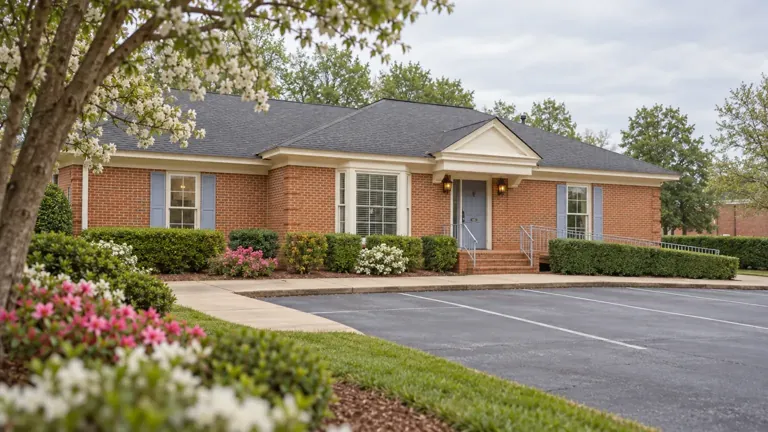
The facility is at 3822 Rosemont Drive, Columbus, GA 31904. Facility hours are Monday through Friday, 9:00 AM to 5:00 PM. Families elsewhere in Georgia may call to ask whether traveling to Columbus-based care is a practical option.
Supporting change without taking control
A family member can help make an appointment, provide transportation, write down questions, or attend permitted family support activities. However, the adult seeking services must participate in assessment and make personal decisions about care. Recovery cannot be managed entirely by someone else.
- Support can respect both privacy and personal choice
- Family members can care for their own health too
Expect that readiness may change. A person might reject help during one conversation and reconsider later. Keep information available, repeat concerns without shaming, and respond consistently to safety issues. Small steps, such as agreeing to an assessment, can create room for better-informed choices.
Family members should also care for their own health. Maintain sleep, medical appointments, social support, and routines where possible. Seeking guidance for yourself is appropriate even if your loved one is not ready to contact a provider.

A practical next step
Get clarity on insurance and care
Coverage depends on your plan and the care being considered. Our admissions team can explain verification and help you understand the next step.
Frequently Asked Questions
Can I contact River City Recovery for an adult family member?
Yes. You can ask about programs, assessment, and ways to discuss care. The prospective client will still need to participate directly in admissions and clinical assessment. Staff cannot guarantee that a particular program will be offered.
Should the whole family confront the person together?
A large confrontation may feel threatening and can intensify conflict. A calm conversation led by one or two trusted people may be easier to receive. Focus on observed concerns, safety, and one realistic next step.
What if my family member refuses help?
You cannot force another adult to engage in outpatient care. You can keep communication open, set clear boundaries, avoid supporting harmful behavior, and seek guidance for yourself. Use emergency services if there is immediate danger.
Does River City Recovery offer family support?
Family support is among River City Recovery’s services. Availability and involvement depend on the person’s care plan and applicable privacy requirements. Admissions can explain how family support may fit within outpatient care.
Can I support the first call without speaking for my loved one?
Yes. You may sit nearby, help explain practical concerns with permission, or offer transportation. The adult seeking care should remain involved in decisions and communication about personal needs. Family support is available, but privacy and individual choice guide how relatives participate in assessment and ongoing care.
Admissions
Talk with River City Recovery
Call 706-617-4970 to ask River City Recovery how an adult can start exploring outpatient support.
Related Topics