Dialectical Behavior Therapy (DBT): Overview in Georgia
Dialectical behavior therapy, or DBT, offers a structured framework for noticing emotions, tolerating difficult moments, communicating effectively, and making considered choices. This overview explains its central ideas and its possible place in outpatient care.
Editorial lead: Tim Francis. Educational content receives source-based editorial review.
- LocationColumbus, GA3822 Rosemont Drive, Columbus, GA 31904
- Levels of careOutpatientPHP, IOP, Evening IOP, and outpatient therapy
- Admissions706-617-4970A private first call about fit and next steps
- Listed facility hoursMon–Fri9:00 AM to 5:00 PM; closed Saturday and Sunday
At a Glance
Dialectical behavior therapy, or DBT, offers a structured framework for noticing emotions, tolerating difficult moments, communicating effectively, and making considered choices. This overview explains its central ideas and its possible place in outpatient care. River City Recovery can discuss Columbus-based programs and arrange an assessment when appropriate.
River City Recovery’s published outpatient programs are based in Columbus, GA. You can review IOP, PHP, and insurance verification when you are ready.

A practical overview of DBT
DBT is a form of talk therapy organized around acceptance and change. Acceptance does not mean approving of every circumstance or behavior. It can mean recognizing what is happening clearly enough to choose a thoughtful response. Change involves practicing different actions, communication patterns, or ways of managing difficult experiences.
- DBT combines acceptance, reflection, and behavioral change
- DBT can support a broader outpatient treatment plan
The approach is often described through four skill areas: mindfulness, emotional regulation, distress tolerance, and interpersonal effectiveness. These areas provide an organized vocabulary for discussing internal experiences and behavior. Skills are learned through explanation, practice, reflection, and application to situations outside a therapy conversation.
DBT is not itself a diagnosis, facility type, or level of care. It may be discussed as one therapeutic approach within a broader plan. An assessment remains important because people seeking help can have different mental health concerns, substance use patterns, medical considerations, strengths, responsibilities, and treatment goals.
The four commonly discussed skill areas

Mindfulness centers on paying attention to the present moment. A person may practice noticing thoughts, emotions, physical sensations, and surroundings before deciding how to respond. The aim is not to prevent every uncomfortable thought. It is to create space for observation and more deliberate action.
- Four DBT skill areas organize practical therapy work
- Skills and pacing should reflect your individual needs
Emotional regulation involves identifying emotions and understanding how they relate to actions. Distress tolerance concerns getting through difficult periods without automatically relying on a harmful or unhelpful response. These skills may be relevant when intense feelings or stressful events contribute to recurring behavior patterns.
Interpersonal effectiveness focuses on relationships and communication. Topics can include expressing needs, listening, setting boundaries, navigating conflict, and respecting both personal priorities and other people. The exact emphasis should follow individual needs. Not every person requires the same skills, pace, or combination of outpatient services.
How outpatient planning works
River City Recovery offers adult outpatient substance use and mental health care in Columbus. Available levels include a Partial Hospitalization Program, Intensive Outpatient Program, Evening IOP, and outpatient therapy. Program placement should follow an assessment and discussion rather than being selected solely from an online description.
- Assessment guides outpatient planning in Columbus, GA
- Evening IOP offers a structured weekday evening schedule
Services may include individual therapy, medication management, clinical or medical assessments, medical oversight, drug testing and monitoring, case management, family support, care coordination, and referrals. Availability of these services does not mean every participant receives the same plan. Care should be based on identified needs and the appropriate program structure.
The Evening IOP schedule is Monday, Wednesday, and Thursday from 6:15 to 9:15 PM, but callers should reconfirm it. Facility hours are Monday through Friday from 9:00 AM to 5:00 PM. Admissions can explain current scheduling and what is involved in beginning the assessment process.

Levels of care
Outpatient Levels of Care in Columbus, GA
Partial Hospitalization (PHP)
Structured daytime outpatient care with clinical oversight.
Explore Partial Hospitalization (PHP)Intensive Outpatient (IOP)
Several treatment sessions each week while you keep up with daily life.
Explore Intensive Outpatient (IOP)Evening IOP
Intensive outpatient care scheduled after typical work hours.
Explore Evening IOPOutpatient Therapy
One-to-one therapy on a less intensive schedule.
Explore Outpatient Therapy
Deciding whether to call
Consider calling if substance use, emotional distress, or recurring behavior patterns are interfering with daily life. You may also call when you are uncertain about the type of outpatient support needed. Admissions can explain available services without expecting you to determine the appropriate level of care independently.
- A call can clarify DBT outpatient care options
- Adults across Georgia may consider travel to Columbus, GA
During the conversation, ask about assessments, program schedules, location, participation expectations, and information needed for coverage verification. Named insurance participation should never be assumed without direct verification. It can also be useful to mention work, school, transportation, caregiving, medication, or other factors that could affect attendance.
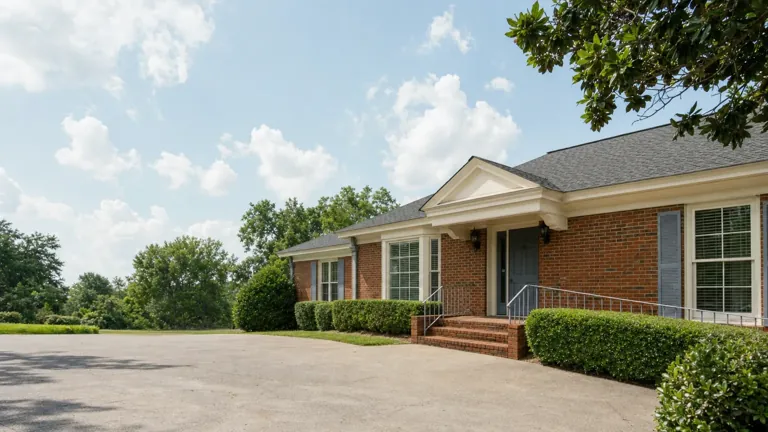
River City Recovery is at 3822 Rosemont Drive, Columbus, GA 31904. Adults across Georgia may ask whether traveling to Columbus-based outpatient care is workable. Urgent emergencies require an appropriate emergency resource.

A practical next step
Get clarity on insurance and care
Coverage depends on your plan and the care being considered. Our admissions team can explain verification and help you understand the next step.
Frequently Asked Questions
What is the main idea behind DBT?
DBT brings acceptance and change into the same therapeutic framework. It encourages clear awareness of current experiences while supporting the practice of different responses, coping skills, and communication patterns.
What skills are associated with DBT?
DBT is commonly associated with mindfulness, emotional regulation, distress tolerance, and interpersonal effectiveness. The relevance and emphasis of these skill areas should be considered in relation to individual needs and a broader care plan.
Does reading a DBT overview determine the right program?
No. Online information can support questions, but it does not replace assessment. River City Recovery can explain PHP, IOP, Evening IOP, and outpatient therapy before clinical or medical needs are evaluated.
Where is River City Recovery located?
River City Recovery is located at 3822 Rosemont Drive in Columbus, Georgia. The center provides adult outpatient substance use and mental health care rather than residential, inpatient, onsite detox, or emergency services.
Can DBT be part of an Evening IOP schedule?
DBT may be discussed as a therapeutic approach within an outpatient care plan, but a therapy name alone does not determine services or placement. River City Recovery’s Evening IOP meets Monday, Wednesday, and Thursday from 6:15 to 9:15 PM. The schedule should be reconfirmed, and assessment guides individual recommendations.
Admissions
Talk with River City Recovery
Call 706-617-4970 to talk with admissions about outpatient options in Georgia.
Related Topics