Dialectical Behavior Therapy (DBT): FAQs in Georgia
Questions about DBT often concern its skills, purpose, program setting, and role in a broader care plan. DBT is a therapeutic approach, not a level of care.

Editorial lead: Tim Francis. Educational content receives source-based editorial review.
- LocationColumbus, GA3822 Rosemont Drive, Columbus, GA 31904
- Levels of careOutpatientPHP, IOP, Evening IOP, and outpatient therapy
- Admissions706-617-4970A private first call about fit and next steps
- Listed facility hoursMon–Fri9:00 AM to 5:00 PM; closed Saturday and Sunday
At a Glance
Questions about DBT often concern its skills, purpose, program setting, and role in a broader care plan. DBT is a therapeutic approach, not a level of care. River City Recovery offers adult PHP, IOP, Evening IOP, and outpatient therapy in Columbus, with placement guided by an appropriate assessment.
River City Recovery’s published outpatient programs are based in Columbus, GA. You can review IOP, PHP, and insurance verification when you are ready.

Common questions about what DBT is
Dialectical behavior therapy is commonly shortened to DBT. It is a structured form of talk therapy that brings acceptance and change together. A person can acknowledge a present emotion, thought, urge, or circumstance while also considering a different response. Acceptance is not the same as approving of harmful behavior.
- DBT combines acceptance with thoughtful behavior change
- Four DBT skill areas support awareness and communication
DBT is associated with four broad skill areas: mindfulness, emotional regulation, distress tolerance, and interpersonal effectiveness. Mindfulness concerns present awareness. Emotional regulation addresses understanding emotions. Distress tolerance focuses on navigating difficult moments. Interpersonal effectiveness includes communication, boundaries, requests, and relationship conflict.
DBT is not a diagnosis or a level of care. It does not automatically mean a person needs a particular program. Its potential place in treatment depends on needs identified through assessment and planning. People can call admissions for general information without already knowing which therapy or program structure they need.
Questions about programs and schedules

River City Recovery offers a Partial Hospitalization Program, Intensive Outpatient Program, Evening IOP, and outpatient therapy. All are outpatient options, which means participants do not live at the facility. The amount and pattern of scheduled participation vary by program and should be discussed with admissions and the assessment team.
- Columbus, GA based outpatient care includes several program structures
- Evening IOP meets three evenings each week
The Evening IOP meets on Monday, Wednesday, and Thursday from 6:15 to 9:15 PM. Because program schedules may require confirmation, callers should reconfirm these times before planning attendance. Listed facility hours do not establish continuous admissions or emergency availability.
Ask admissions about the assessment process, program expectations, location, scheduling, and information required to start. Mention work, school, transportation, family care, healthcare appointments, or other commitments. These practical details can help clarify which questions must be resolved before participation begins.
Questions about services and care planning
Available services include individual therapy, medication management, clinical or medical assessments, medical oversight, drug testing and monitoring, case management, and family support. River City Recovery also provides care coordination and referrals. A list of services does not mean that every person receives every service.
- DBT care planning reflects assessed needs and circumstances
- Not every available service belongs in every care plan
Care plans should reflect assessed substance use and mental health needs. Current symptoms, health considerations, medication needs, supports, and daily circumstances may all be relevant. Online DBT information can help someone prepare questions, but it cannot evaluate personal needs or determine the appropriate outpatient level.
Payment and coverage details also require direct verification. Do not assume that a named insurance plan is accepted. Ask what details are needed and when verification occurs. Admissions can address administrative questions, while clinical or medical decisions require the appropriate assessment and care-planning process.

Levels of care
Outpatient Levels of Care in Columbus, GA
Partial Hospitalization (PHP)
Structured daytime outpatient care with clinical oversight.
Explore Partial Hospitalization (PHP)Intensive Outpatient (IOP)
Several treatment sessions each week while you keep up with daily life.
Explore Intensive Outpatient (IOP)Evening IOP
Intensive outpatient care scheduled after typical work hours.
Explore Evening IOPOutpatient Therapy
One-to-one therapy on a less intensive schedule.
Explore Outpatient Therapy
Questions about location and service limits
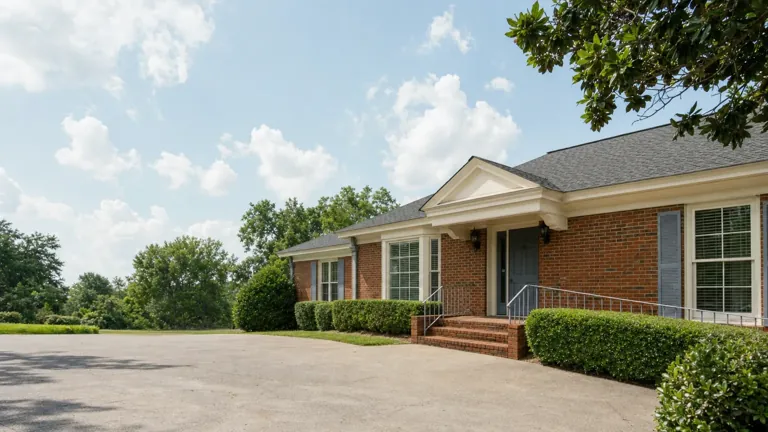
River City Recovery is at 3822 Rosemont Drive, Columbus, GA 31904. Adults throughout Georgia can contact the center to ask about Columbus-based outpatient options. Those living outside the area should consider travel time, the expected participation schedule, and whether regular attendance is practical.
- Adults across Georgia can contact the Columbus, GA facility
- For immediate danger, call 911 or use an appropriate emergency or crisis resource now.
If those services are needed, care coordination and referrals may support an appropriate next step. An immediate emergency requires an appropriate emergency resource rather than a routine outpatient inquiry.
A call to admissions can help separate general questions from issues that require assessment. You can ask what programs are offered, how to begin, and what information to prepare. You do not need to diagnose yourself, choose a level of care alone, or know whether DBT belongs in a future plan.

A practical next step
Get clarity on insurance and care
Coverage depends on your plan and the care being considered. Our admissions team can explain verification and help you understand the next step.
Frequently Asked Questions
Is DBT only for substance use concerns?
DBT is a therapeutic approach rather than a diagnosis-specific program. River City Recovery provides adult outpatient substance use and mental health care. An assessment helps determine which approaches and services may fit a person's needs.
Do I need to know that I want DBT before calling?
No. You can call to discuss concerns and available outpatient options without choosing a therapy in advance. Assessment and care planning help clarify the appropriate program structure and services.
Does River City Recovery have an evening program?
An Evening IOP meets on Monday, Wednesday, and Thursday from 6:15 to 9:15 PM. Callers should reconfirm the current schedule before making attendance or transportation plans.
What should I do for an immediate medical or safety emergency?
For immediate danger, call 911 or use an emergency or crisis resource now. Withdrawal may require medical evaluation, while overnight care involves a different setting from the published outpatient programs. Immediate emergencies require an appropriate emergency resource.
Can adults outside Columbus, GA receive DBT related outpatient care?
Adults across Georgia may contact River City Recovery about Columbus, GA based outpatient care. Because River City Recovery’s published facility is at 3822 Rosemont Drive, Columbus, GA 31904, regular travel and the expected program schedule should be practical. An assessment and care planning process help determine whether DBT related strategies and an available outpatient structure fit.
Admissions
Talk with River City Recovery
Call 706-617-4970 to talk with admissions about outpatient options in Georgia.
Related Topics