Cognitive Behavioral Therapy (CBT): In Outpatient Care in Georgia
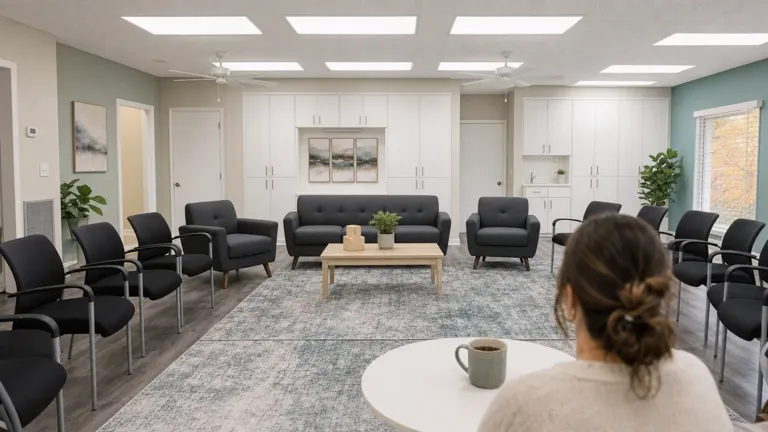
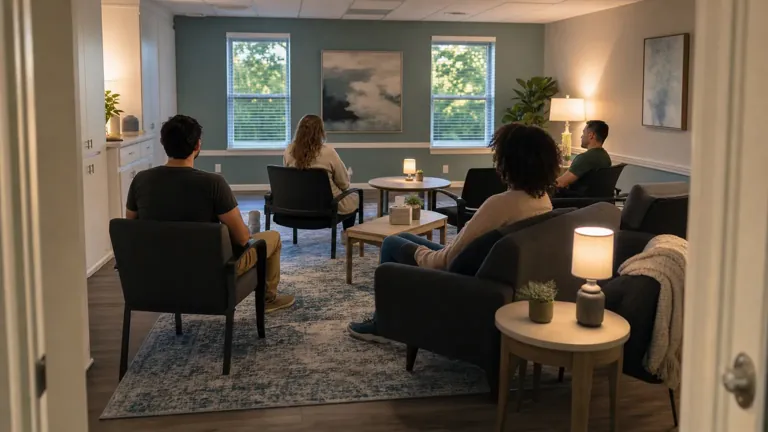
In outpatient care, CBT can provide a practical framework for noticing links among situations, thoughts, emotions, and behavior. Adults can discuss current challenges and practice responses while continuing to live in their communities.
Editorial lead: Tim Francis. Educational content receives source-based editorial review.
- LocationColumbus, GA3822 Rosemont Drive, Columbus, GA 31904
- Levels of careOutpatientPHP, IOP, Evening IOP, and outpatient therapy
- Admissions706-617-4970A private first call about fit and next steps
- Listed facility hoursMon–Fri9:00 AM to 5:00 PM; closed Saturday and Sunday
At a Glance
In outpatient care, CBT can provide a practical framework for noticing links among situations, thoughts, emotions, and behavior. Adults can discuss current challenges and practice responses while continuing to live in their communities. River City Recovery offers individual therapy within several outpatient levels at its Columbus, Georgia location, with placement guided by assessment.
River City Recovery’s published outpatient programs are based in Columbus, GA. You can review IOP, PHP, and insurance verification when you are ready.

How CBT can work in an outpatient setting
Outpatient care lets adults apply ideas from therapy in everyday settings between appointments. A person may notice a recurring response at home, work, or in another situation, then bring that experience into therapy. CBT offers a way to examine the sequence without reducing the person to a diagnosis, symptom, or substance-related concern.
- CBT connects therapy insights with everyday experiences
- Outpatient care allows time to practice thoughtful responses
A therapist and participant may identify a pattern, discuss its effects, and consider a more useful response. Later conversations can review what happened when the person tried something different. This is not a guarantee of a specific result. The process may require adjustment as needs, circumstances, or treatment goals change.
Matching therapy with the level of care

River City Recovery offers a Partial Hospitalization Program, an Intensive Outpatient Program, an evening IOP, and outpatient therapy. These are all outpatient services, but they do not involve the same schedule or degree of structure. A clinical or medical assessment can help determine which level may be appropriate at a particular point in time.
- Assessment helps match CBT with an outpatient care level
- Columbus, GA programs differ in schedule and structure
Individual therapy may be one component of a broader plan. Other services include medication management, medical oversight, drug testing and monitoring, case management, family support, and care coordination. The service mix should follow assessed needs. A person should not assume that every service is included in every program or recommended for every participant.
Using CBT ideas between appointments
One practical feature of outpatient therapy is the opportunity to observe patterns in daily life. A participant might pay attention to what happened before a difficult reaction, how the situation was interpreted, and what followed. Any formal practice should come from the treating therapist, who can explain its purpose and connect it with the treatment plan.
- Daily experiences can reveal patterns to discuss in therapy
- Your therapist connects formal CBT practice to your care plan
Changes are often easier to understand when they are reviewed over time. The person can discuss what felt manageable, what remained difficult, and whether a strategy needs to be revised. Case management or family support may address related practical concerns when appropriate. Care coordination and referrals can also support needs beyond River City Recovery’s direct outpatient scope.

Levels of care
Outpatient Levels of Care in Columbus, GA
Partial Hospitalization (PHP)
Structured daytime outpatient care with clinical oversight.
Explore Partial Hospitalization (PHP)Intensive Outpatient (IOP)
Several treatment sessions each week while you keep up with daily life.
Explore Intensive Outpatient (IOP)Evening IOP
Intensive outpatient care scheduled after typical work hours.
Explore Evening IOPOutpatient Therapy
One-to-one therapy on a less intensive schedule.
Explore Outpatient Therapy
Planning for treatment in Columbus
River City Recovery provides its programs at 3822 Rosemont Drive, Columbus, GA 31904. Adults elsewhere in Georgia can call before traveling to ask about eligibility, schedules, and the admissions process. The evening IOP meets on Monday, Wednesday, and Thursday from 6:15 to 9:15 PM, but those times should be reconfirmed.
- Admissions can discuss whether CBT is available within the published Columbus outpatient programs after assessment
- Evening IOP hours should be confirmed before traveling
Facility hours are Monday through Friday, 9:00 AM to 5:00 PM. If outpatient care may fit, review the program levels and starting process. Admissions can then explain available next steps without promising placement.
A practical next step
Get clarity on insurance and care
Coverage depends on your plan and the care being considered. Our admissions team can explain verification and help you understand the next step.
Frequently Asked Questions
Can CBT be used while I live at home?
Yes. CBT is commonly delivered as talk therapy in outpatient settings, where adults continue living in their communities. River City Recovery’s services are outpatient rather than residential. The suitable program level and schedule depend on assessment, current needs, and whether outpatient participation is appropriate.
How is CBT different in PHP and IOP?
The basic CBT framework does not require one program level, but PHP and IOP differ in overall structure and time commitment. How therapy is incorporated can also vary. Ask admissions about current programming, then complete any required assessment so recommendations can reflect individual needs rather than program names alone.
Can outpatient therapy include medication management?
River City Recovery offers medication management and medical oversight alongside individual therapy and other support services. Whether medication management is appropriate depends on the person’s needs and clinical process. It should not be assumed that every participant will receive medication or that it replaces therapy.
What if outpatient care is not enough?
Its services include care coordination and referrals, which may help when another service is appropriate. Immediate safety concerns require an appropriate crisis or emergency resource rather than routine outpatient admissions.
How do River City Recovery's published outpatient options compare with overnight care?
River City Recovery provides adult outpatient substance use and mental health care in Columbus, GA. Those options involve scheduled visits while participants live outside the facility; an overnight setting involves a different level of care. Available outpatient levels include PHP, Intensive Outpatient Program (IOP), Evening IOP, and outpatient therapy. An assessment can help identify an appropriate level and care plan.
Admissions
Talk with River City Recovery
Call 706-617-4970 to discuss CBT in outpatient care with River City Recovery admissions in Georgia.
Related Topics