Polysubstance Use: Signs and Patterns in Georgia
Polysubstance use means using more than one substance, whether together, at different times, or in an unpredictable pattern. Signs can involve changes in behavior, health, responsibilities, relationships, or substance effects.

Editorial lead: Tim Francis. Educational content receives source-based editorial review.
- LocationColumbus, GA3822 Rosemont Drive, Columbus, GA 31904
- Levels of careOutpatientPHP, IOP, Evening IOP, and outpatient therapy
- Admissions706-617-4970A private first call about fit and next steps
- Listed facility hoursMon–Fri9:00 AM to 5:00 PM; closed Saturday and Sunday
At a Glance
Polysubstance use means using more than one substance, whether together, at different times, or in an unpredictable pattern. Signs can involve changes in behavior, health, responsibilities, relationships, or substance effects. A careful assessment can clarify what is happening and whether outpatient support in Georgia may be appropriate.
River City Recovery’s published outpatient programs are based in Columbus, GA. You can review IOP, PHP, and insurance verification when you are ready.

What polysubstance use can look like
Polysubstance use does not follow one fixed pattern. A person might combine substances during one occasion, alternate between them, or use one substance to change the effects of another. They may not always know what a product contains. Frequency can also shift, making the pattern difficult for the person or family to describe.
- Polysubstance use patterns can shift over time
- Repeated changes matter more than one isolated sign
Possible signs include unusual sleep, changing energy, mood shifts, missed commitments, secrecy, financial problems, or increasing time spent obtaining and recovering from substances. Physical signs can vary because different substances produce different effects. One sign alone does not establish a substance use disorder. Look for repeated changes and their effect on daily life.
Patterns worth discussing during an assessment

A useful assessment examines more than a list of substances. It considers how much is used, how often, in what combinations, and under what circumstances. It also explores prescriptions, nonprescription products, mental health symptoms, medical concerns, previous attempts to reduce use, and any recent changes in tolerance or functioning.
- Assessment examines combinations, timing, and daily functioning
- Accurate details clarify polysubstance signs and patterns
Honest details help the care team understand risk and plan appropriate support. Bringing a written list of substances, medications, typical timing, and recent concerns may help. River City Recovery offers clinical and medical assessments, medical oversight, medication management, individual therapy, drug testing and monitoring, case management, and care coordination and referrals.
When outpatient care may be considered
Outpatient care allows adults to receive structured support while continuing to live in the community. River City Recovery provides a Partial Hospitalization Program, Intensive Outpatient Program, Evening IOP, and outpatient therapy in Columbus. The appropriate level depends on an individualized assessment rather than the substance name alone.
- Outpatient placement follows an individualized assessment
- Columbus, GA based outpatient care offers structured support
Needs can change over time. Treatment planning may address substance use patterns, mental health concerns, family needs, routines, triggers, and practical barriers. Family support may be included when appropriate. If the available outpatient programs do not match a person’s needs, care coordination and referrals can help identify another direction.

Levels of care
Outpatient Levels of Care in Columbus, GA
Partial Hospitalization (PHP)
Structured daytime outpatient care with clinical oversight.
Explore Partial Hospitalization (PHP)Intensive Outpatient (IOP)
Several treatment sessions each week while you keep up with daily life.
Explore Intensive Outpatient (IOP)Evening IOP
Intensive outpatient care scheduled after typical work hours.
Explore Evening IOPOutpatient Therapy
One-to-one therapy on a less intensive schedule.
Explore Outpatient Therapy
How to respond without judgment
Use specific observations instead of labels. For example, mention missed work, changes in sleep, or concerning combinations rather than arguing about character. Ask open questions and listen. A calm conversation often creates more room for honesty than threats, shame, or demands for an immediate promise.
- Specific observations can reduce blame during family conversations
- Calm discussion can create room for honest next steps
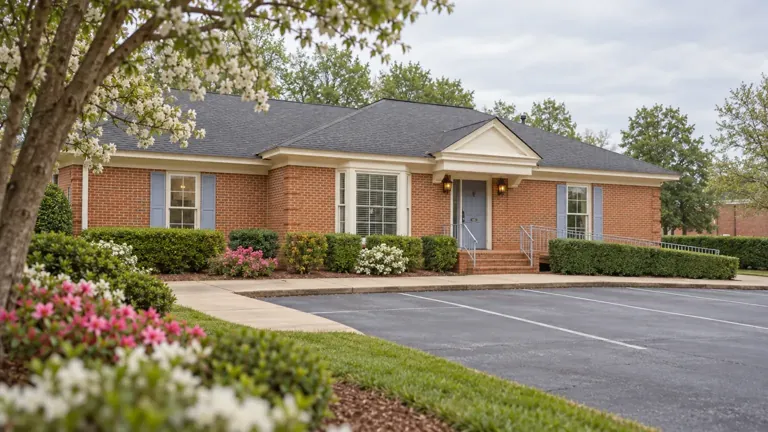
Choose a time when the person can participate clearly. Avoid debating while they appear impaired. Focus on safety and the next practical step, such as calling admissions or arranging an assessment. River City Recovery is located at 3822 Rosemont Drive in Columbus. Facility hours are Monday through Friday, 9:00 AM to 5:00 PM.

A practical next step
Get clarity on insurance and care
Coverage depends on your plan and the care being considered. Our admissions team can explain verification and help you understand the next step.
Frequently Asked Questions
Does using two substances always mean someone has a substance use disorder?
No. The number of substances alone does not determine a diagnosis. Clinicians consider frequency, control, consequences, safety, tolerance, withdrawal, and daily functioning. An assessment can clarify the pattern and recommend an appropriate level of support.
What information should I share when I call?
Share the substances involved, known medications, recent use pattern, mental health concerns, and major changes in health or functioning. If details are uncertain, say so. Admissions can explain available outpatient options and the starting process.
Can River City Recovery address mental health concerns too?
River City Recovery provides adult outpatient substance use and mental health care. Services include individual therapy, medication management, clinical and medical assessments, medical oversight, case management, family support, and coordination with other resources when needed.
Where is care provided?
River City Recovery provides its outpatient programs at 3822 Rosemont Drive, Columbus, Georgia 31904. People elsewhere in Georgia can contact admissions to discuss whether Columbus-based care is practical and appropriate for their circumstances.
Can changing sleep or mood confirm polysubstance use?
No. Changes in sleep, mood, energy, responsibilities, or finances do not confirm polysubstance use by themselves. Repeated patterns and their effects on daily life can support a clinical conversation. An individualized assessment considers substance use, medications, mental health concerns, and broader circumstances rather than relying on one sign.
Admissions
Talk with River City Recovery
Call 706-617-4970 to talk with admissions about outpatient options in Georgia.
Related Topics