Opioids: Health and Safety Risks in Georgia
Opioid-related health and safety concerns deserve direct, accurate discussion. Risk can be shaped by current use, other substances, medications, physical health, mental health, and the level of care needed.

Editorial lead: Tim Francis. Educational content receives source-based editorial review.
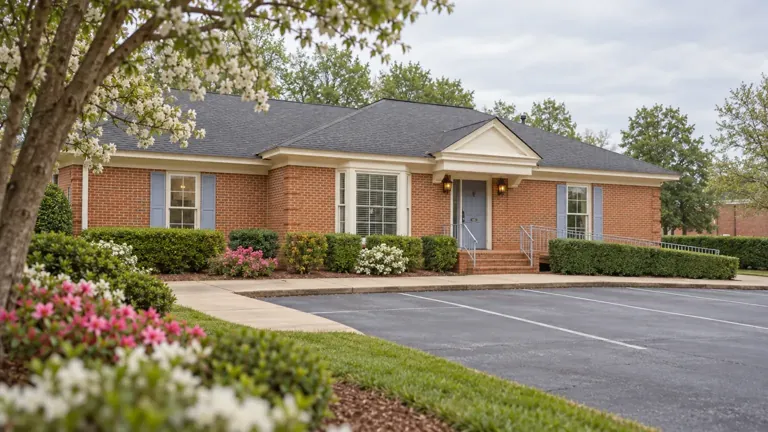
- LocationColumbus, GA3822 Rosemont Drive, Columbus, GA 31904
- Levels of careOutpatientPHP, IOP, Evening IOP, and outpatient therapy
- Admissions706-617-4970A private first call about fit and next steps
- Listed facility hoursMon–Fri9:00 AM to 5:00 PM; closed Saturday and Sunday
At a Glance
Opioid-related health and safety concerns deserve direct, accurate discussion. Risk can be shaped by current use, other substances, medications, physical health, mental health, and the level of care needed. River City Recovery provides adult outpatient assessment and treatment in Columbus, while coordinating referrals when detox, inpatient care, or emergency services are required.
River City Recovery’s published outpatient programs are based in Columbus, GA. You can review IOP, PHP, and insurance verification when you are ready.

Why individualized safety assessment matters
Opioid-related risk cannot be judged from a web page or one general checklist. The current pattern of use, other substances, medications, health concerns, emotional state, and recent changes all matter. Sharing complete information during an admissions conversation and assessment helps the team consider whether outpatient services are an appropriate option.
- Opioid safety requires an individual clinical and medical review
- Columbus, GA outpatient care has clear safety boundaries
A person may hesitate to describe use because of fear or shame. Calm, factual communication is more useful than judgment. River City Recovery provides nonresidential care for adults and can discuss substance use alongside mental health needs. An assessment is intended to clarify needs, not to define a person by opioid use.
Outpatient care has clear boundaries. It is scheduled treatment for people living outside the facility. Possible withdrawal needs call for appropriate medical evaluation before outpatient planning. An overnight setting involves a different level of care from the published outpatient programs. For immediate danger, call 911 or use an appropriate emergency or crisis resource now. Recognizing those limits is part of making a safer decision about where to seek help.
Health, mental health, and daily functioning

Health and safety involve more than the substance alone. Changes in sleep, mood, anxiety, judgment, or daily functioning may be relevant to the overall picture. So may difficulty maintaining work, household duties, appointments, or relationships. These concerns should be reported during assessment rather than minimized or separated from opioid use.
- Health, mental health, and daily functioning all matter
- Available support is shaped by each outpatient plan
Other substances and current medications are also important to disclose. The clinical and medical teams need accurate information to understand the situation and discuss care. Do not make treatment assumptions based only on another person’s experience. Needs and recommendations can differ significantly between adults.
River City Recovery offers medication management, medical oversight, individual therapy, drug testing and monitoring, case management, family support, and care coordination. These services can contribute to an outpatient plan when appropriate. Their availability does not mean every service will be included for every participant.
The role and limits of outpatient programs
River City Recovery provides a Partial Hospitalization Program, Intensive Outpatient Program, Evening IOP, and outpatient therapy at its Columbus facility. These levels offer different amounts of structure. Assessment findings, safety considerations, clinical needs, and practical factors help guide the program discussion.
- Assessment guides the appropriate amount of outpatient structure
- Evening opioid care cannot replace an individual safety review
The Evening IOP meets on Monday, Wednesday, and Thursday from 6:15 to 9:15 PM. Prospective participants should call to confirm the current schedule. Evening care may help adults with daytime responsibilities, but schedule preference cannot replace an assessment of whether the level of care is suitable.
Drug testing and monitoring may add structure and provide information relevant to treatment. Individual therapy can address substance use, mental health, coping, and personal goals. Case management and care coordination may help with practical needs or connections to outside services. Family support can help loved ones respond more constructively.

Levels of care
Outpatient Levels of Care in Columbus, GA
Partial Hospitalization (PHP)
Structured daytime outpatient care with clinical oversight.
Explore Partial Hospitalization (PHP)Intensive Outpatient (IOP)
Several treatment sessions each week while you keep up with daily life.
Explore Intensive Outpatient (IOP)Evening IOP
Intensive outpatient care scheduled after typical work hours.
Explore Evening IOPOutpatient Therapy
One-to-one therapy on a less intensive schedule.
Explore Outpatient Therapy
When outpatient care is not the right setting
Someone who needs those services should use an appropriate provider or urgent resource rather than waiting for a routine outpatient appointment. This page cannot evaluate an immediate medical situation.
- Urgent needs belong with an appropriate emergency provider
- Referrals may support care beyond outpatient program limits
If a caller’s needs fall outside the available programs, care coordination and referrals may help identify another next step. This can be important when a more intensive environment or a service unavailable at River City Recovery is indicated. No referral discussion can promise placement, admission, or a particular outcome.
For nonemergency questions, call during the facility hours of Monday through Friday, 9:00 AM to 5:00 PM. The address is 3822 Rosemont Drive, Columbus, GA 31904. Georgia residents may also review areas served, program options, and the contact page.

A practical next step
Get clarity on insurance and care
Coverage depends on your plan and the care being considered. Our admissions team can explain verification and help you understand the next step.
Frequently Asked Questions
Can a website determine whether outpatient opioid care is safe for me?
No. A website cannot assess an individual situation. Current use, medications, other substances, physical and mental health, recent changes, and the need for structure should be discussed through admissions and appropriate assessments.
What should I do for an immediate medical or safety emergency?
For immediate danger, call 911 or use an emergency or crisis resource now. Its programs are scheduled adult outpatient services. Urgent medical situations require an appropriate emergency resource rather than routine outpatient contact.
What safety-related support is available in outpatient care?
Available services include clinical and medical assessments, medical oversight, medication management, drug testing and monitoring, individual therapy, case management, family support, care coordination, and referrals. The care plan depends on assessed needs.
What happens if outpatient treatment is not appropriate?
Admissions and the assessment process can help clarify the concern. River City Recovery offers care coordination and referrals when another service should be considered, but it cannot promise outside placement or admission.
Can opioid health and mental health concerns be assessed together?
Yes. River City Recovery provides adult outpatient substance use and mental health care in Columbus, GA. An assessment can consider opioid use alongside mood, anxiety, sleep, daily functioning, medications, and other substances. This broader view helps inform the care discussion, although it does not guarantee that a particular program or service will be appropriate.
Admissions
Talk with River City Recovery
Call River City Recovery at 706-617-4970 to discuss whether outpatient support fits the current opioid-related concerns.
Related Topics