Kratom: Signs and Patterns in Georgia
Changes in kratom use, daily routines, responsibilities, relationships, or emotional well-being may prompt someone to seek professional input. River City Recovery provides adult outpatient assessment and care in Columbus for people across Georgia who can attend there.

Editorial lead: Tim Francis. Educational content receives source-based editorial review.
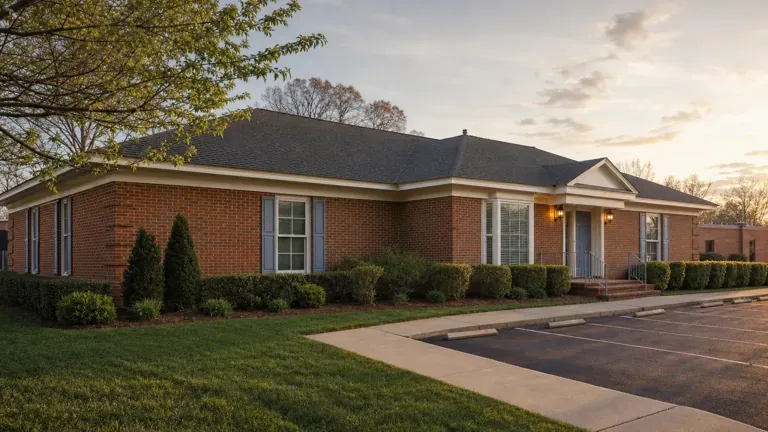
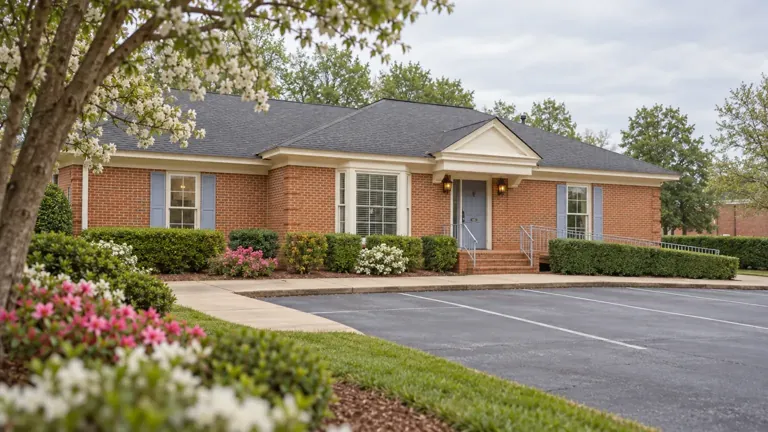
- LocationColumbus, GA3822 Rosemont Drive, Columbus, GA 31904
- Levels of careOutpatientPHP, IOP, Evening IOP, and outpatient therapy
- Admissions706-617-4970A private first call about fit and next steps
- Listed facility hoursMon–Fri9:00 AM to 5:00 PM; closed Saturday and Sunday
At a Glance
Changes in kratom use, daily routines, responsibilities, relationships, or emotional well-being may prompt someone to seek professional input. River City Recovery provides adult outpatient assessment and care in Columbus for people across Georgia who can attend there. Available options include PHP, IOP, evening IOP, outpatient therapy, monitoring, medication management, case management, and family support.
River City Recovery’s published outpatient programs are based in Columbus, GA. You can review IOP, PHP, and insurance verification when you are ready.

Looking at patterns without judgment
A useful starting point is to describe what is happening without applying labels or blame. Note when concern began, how often the issue arises, and whether attempts to change have been difficult. It may also help to consider changes in responsibilities, routines, communication, or emotional well-being. These observations do not establish a diagnosis on their own. They can, however, provide useful context for an assessment.
- Kratom patterns can be described without labels or blame
- Specific observations provide useful context during an assessment
Family members should focus on specific observations rather than arguments about motivation or character. The person using kratom can also record questions and goals before speaking with admissions. River City Recovery’s clinical and medical assessments provide a structured opportunity to discuss the situation. The purpose is to consider needs and possible outpatient options, not to promise a particular placement or result.
When a professional assessment may help

An assessment may be appropriate when a pattern continues despite concern, when daily life is being disrupted, or when the person is unsure how to make a change. Professional input may also help when substance use and mental health concerns appear connected. River City Recovery provides both substance use and mental health outpatient services for adults, with treatment planning based on the information gathered.
- Recurring kratom concerns may support seeking an assessment
- Columbus, GA based outpatient care serving adults across Georgia
Assessment can address current concerns, previous care, medications, support systems, and practical ability to attend a Columbus program. Full and accurate information helps the team consider whether outpatient participation is suitable. Care coordination and referrals are available when needs point beyond its services.
Structure and support during outpatient care
River City Recovery offers PHP, IOP, evening IOP, and outpatient therapy. Each level has a different degree of structure, and assessment helps guide the discussion about fit. The evening IOP meets on Monday, Wednesday, and Thursday from 6:15 to 9:15 PM. Prospective participants should reconfirm that schedule.
- Kratom outpatient care offers different levels of structure
- Treatment services depend on assessed needs and program fit
Services within an outpatient plan may include individual therapy, medication management, drug testing and monitoring, medical oversight, case management, care coordination, and family support. Monitoring may help document progress and concerns during care. Individual therapy allows focused attention to personal goals and patterns. Case management can address practical barriers, while family support can help relatives respond more constructively. Not every person will receive every service listed.
Levels of care
Outpatient Levels of Care in Columbus, GA
Partial Hospitalization (PHP)
Structured daytime outpatient care with clinical oversight.
Explore Partial Hospitalization (PHP)Intensive Outpatient (IOP)
Several treatment sessions each week while you keep up with daily life.
Explore Intensive Outpatient (IOP)Evening IOP
Intensive outpatient care scheduled after typical work hours.
Explore Evening IOPOutpatient Therapy
One-to-one therapy on a less intensive schedule.
Explore Outpatient Therapy
Starting a respectful conversation about care
Choose a calm time to discuss observed changes and the possibility of an assessment. Use direct, specific language and avoid threats that cannot be maintained. A simple offer to help contact admissions or arrange transportation may be more useful than a prolonged argument. Adults seeking care for themselves can prepare by listing concerns, questions, scheduling needs, and previous services.
- Kratom conversations work better with calm, specific language
- Recurring outpatient care requires practical Columbus, GA travel
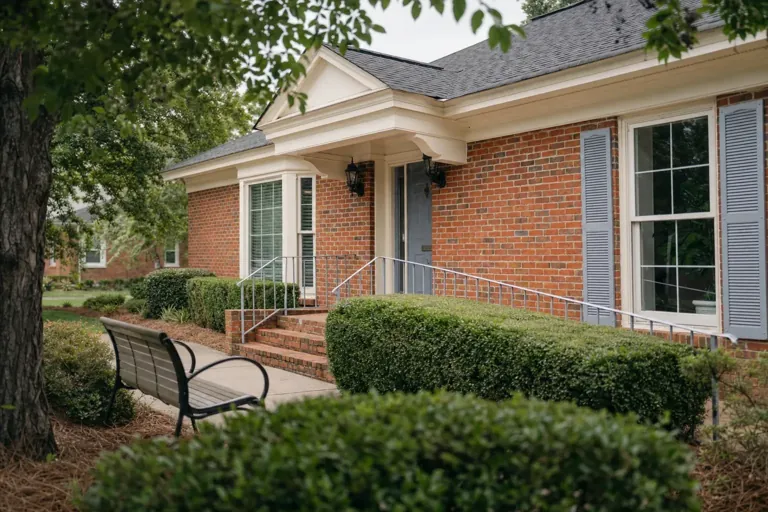
River City Recovery is located at 3822 Rosemont Drive in Columbus. Facility hours are Monday through Friday from 9:00 AM to 5:00 PM, rather than continuous admission hours. People elsewhere in Georgia should consider whether repeated travel for outpatient participation is realistic. Admissions can explain how to start, but admission, placement, and outcomes are not assured.

A practical next step
Get clarity on insurance and care
Coverage depends on your plan and the care being considered. Our admissions team can explain verification and help you understand the next step.
Frequently Asked Questions
Do concerning patterns automatically mean someone needs PHP or IOP?
No. Observations alone do not determine a level of care. River City Recovery uses clinical and medical assessments to understand the concern and discuss whether an available outpatient option may fit. Possible levels include PHP, IOP, evening IOP, and outpatient therapy, with placement based on individual circumstances.
How can family members support a conversation about kratom use?
Family members can describe specific observations, listen without stigmatizing language, and encourage an assessment. They can also offer practical help with contacting admissions or transportation. River City Recovery offers family support among its services, although the exact role of family should be discussed as part of the individual treatment process.
What services can address recurring patterns during treatment?
An outpatient plan may include individual therapy, drug testing and monitoring, medication management, case management, medical oversight, care coordination, and family support. Services are selected according to assessment and treatment planning. River City Recovery may also provide referrals if the identified need is outside its Columbus-based outpatient care.
Can an assessment consider both kratom use and mental health concerns?
Yes. River City Recovery provides adult outpatient care for substance use and mental health concerns. An assessment can review how those concerns may be connected, along with previous care, medications, support systems, and attendance needs. The information helps the team consider whether an available outpatient option may fit.
Does River City Recovery diagnose someone based only on family observations?
No. Family observations can provide useful context, but they do not establish a diagnosis by themselves. Clinical and medical assessments offer a structured way to discuss the adult’s circumstances and needs. Recommendations depend on the information gathered, and no particular placement or outcome is promised.
Admissions
Talk with River City Recovery
Call 706-617-4970 to talk with admissions about outpatient options in Georgia.
Related Topics