Heroin: When to Seek Help in Georgia
It may be time to seek help when heroin use is affecting health, safety, relationships, work, daily responsibilities, or a person’s ability to make changes alone. An admissions conversation can clarify available care without requiring someone to understand every program first.

Editorial lead: Tim Francis. Educational content receives source-based editorial review.
- LocationColumbus, GA3822 Rosemont Drive, Columbus, GA 31904
- Levels of careOutpatientPHP, IOP, Evening IOP, and outpatient therapy
- Admissions706-617-4970A private first call about fit and next steps
- Listed facility hoursMon–Fri9:00 AM to 5:00 PM; closed Saturday and Sunday
At a Glance
It may be time to seek help when heroin use is affecting health, safety, relationships, work, daily responsibilities, or a person’s ability to make changes alone. An admissions conversation can clarify available care without requiring someone to understand every program first. River City Recovery provides assessment and adult outpatient options in Georgia.
River City Recovery’s published outpatient programs are based in Columbus, GA. You can review IOP, PHP, and insurance verification when you are ready.

Reasons to ask for professional support
A person does not need to wait until every area of life has been disrupted before asking about treatment. Concern from the individual or family can be enough reason to start a conversation. Seeking information is a practical step, even when the person remains uncertain about entering a program.
- Heroin concerns can be discussed before life fully unravels
- An assessment helps identify a suitable outpatient direction
Consider whether substance use is repeatedly interfering with responsibilities, relationships, personal goals, or attempts to make changes. Families may also notice that conversations about use have become difficult or that additional structure is needed. These concerns can be discussed during an assessment rather than resolved at home first.
River City Recovery provides clinical and medical assessments for adults considering outpatient care. An assessment helps the program understand current needs and discuss whether PHP, IOP, Evening IOP, outpatient therapy, or a referral should be considered. Placement and admission are not automatic or guaranteed.
Starting before you know the right program

Treatment terminology can be unfamiliar. You do not need to decide between every level of care before contacting admissions. Begin with basic questions about the person’s situation, current concerns, scheduling needs, and the types of support available through the Columbus facility.
- You can start without choosing a heroin program
- Evening IOP offers structure outside standard daytime hours
Partial Hospitalization Program and Intensive Outpatient Program services offer different amounts of structure. Standard outpatient therapy may fit other needs. River City Recovery also offers an Evening IOP on Monday, Wednesday, and Thursday from 6:15 to 9:15 PM. Current times should be reconfirmed directly.
Outpatient care means participants do not live at the facility. If those services are indicated, care coordination and referrals can help with identifying an appropriate direction.
Services that may be part of outpatient care
River City Recovery services include individual therapy, medication management, drug testing and monitoring, and medical oversight. Case management can help organize practical aspects of care, while care coordination can support communication and referrals when needs extend beyond the program.
- Your care plan reflects assessment and individual needs
- Family support respects each adult’s role in care
Family support is also among available services. Family involvement does not mean relatives make clinical decisions or control another adult’s care. It can provide a setting for learning how to communicate supportively and understand the outpatient process when involvement is appropriate.
The specific combination of services depends on assessment and program planning. Calling admissions is a way to ask how the process begins, what information is requested, and what a prospective participant can expect. Any insurance or payment questions should be verified directly before relying on coverage assumptions.

Levels of care
Outpatient Levels of Care in Columbus, GA
Partial Hospitalization (PHP)
Structured daytime outpatient care with clinical oversight.
Explore Partial Hospitalization (PHP)Intensive Outpatient (IOP)
Several treatment sessions each week while you keep up with daily life.
Explore Intensive Outpatient (IOP)Evening IOP
Intensive outpatient care scheduled after typical work hours.
Explore Evening IOPOutpatient Therapy
One-to-one therapy on a less intensive schedule.
Explore Outpatient Therapy
Planning a clear first contact in Georgia
Before contacting River City Recovery, make a short list of questions. Ask about the assessment process, program schedule, facility hours, medication management, family support, and how referrals are handled. Having notes can make the conversation easier when the situation feels stressful.
- Columbus, GA based outpatient care serving adults across Georgia
- A first call can clarify practical next steps
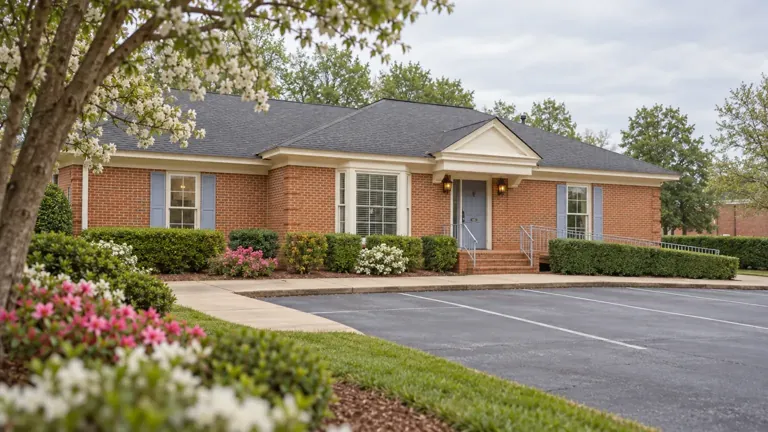
The facility is located at 3822 Rosemont Drive, Columbus, GA 31904. Facility hours are Monday through Friday, 9:00 AM to 5:00 PM. Listed facility hours do not establish continuous admissions or emergency availability. Callers should use the facility hours to discuss availability and next steps.
If outpatient care appears suitable, admissions can explain the next part of the process. If River City Recovery cannot provide the service needed, its care coordination and referral functions may help clarify another path. A call provides information, not a promised admission or outcome.

A practical next step
Get clarity on insurance and care
Coverage depends on your plan and the care being considered. Our admissions team can explain verification and help you understand the next step.
Frequently Asked Questions
Do I need to be certain that treatment is necessary before calling?
No. You may call to ask questions and learn how an assessment works. Admissions can describe River City Recovery’s adult outpatient services and their limits. A professional assessment, rather than a caller’s certainty, helps inform the discussion about an appropriate next step.
Can a family member contact admissions first?
A family member may contact admissions to request general information about programs, family support, and referrals. The program must still assess the prospective adult participant and follow its own process. A family inquiry does not guarantee admission or determine a level of care.
How do River City Recovery's published outpatient options compare with overnight care?
River City Recovery offers PHP, IOP, Evening IOP, and outpatient therapy in Columbus. Possible withdrawal needs call for appropriate medical evaluation before outpatient planning. Those options involve scheduled visits while participants live outside the facility; an overnight setting involves a different level of care. Admissions can explain outpatient options and how care coordination or referrals may apply.
What happens during an assessment for heroin-related concerns in Columbus, GA?
An assessment helps the clinical team understand your current concerns, needs, and situation. It may guide discussion of the Partial Hospitalization Program (PHP), Intensive Outpatient Program (IOP), Evening IOP, outpatient therapy, or a referral. The assessment does not mean admission or placement is certain.
Can I receive heroin-related care while living at home?
River City Recovery provides adult outpatient care, so participants live outside the facility while attending scheduled services. Available levels include the Partial Hospitalization Program (PHP), Intensive Outpatient Program (IOP), Evening IOP, and outpatient therapy. The appropriate level depends on assessment and program review.
Admissions
Talk with River City Recovery
Call 706-617-4970 to talk with admissions about outpatient options in Georgia.
Related Topics