Fentanyl: Health and Safety Risks in Georgia
Fentanyl-related health and safety concerns require a careful response because serious danger can develop quickly. An active medical emergency calls for emergency services, not outpatient admission.

Editorial lead: Tim Francis. Educational content receives source-based editorial review.
- LocationColumbus, GA3822 Rosemont Drive, Columbus, GA 31904
- Levels of careOutpatientPHP, IOP, Evening IOP, and outpatient therapy
- Admissions706-617-4970A private first call about fit and next steps
- Listed facility hoursMon–Fri9:00 AM to 5:00 PM; closed Saturday and Sunday
At a Glance
Fentanyl-related health and safety concerns require a careful response because serious danger can develop quickly. An active medical emergency calls for emergency services, not outpatient admission. After urgent needs are addressed, River City Recovery can discuss Columbus-based assessments, outpatient programs, care coordination, and referrals for adults in Georgia.
River City Recovery’s published outpatient programs are based in Columbus, GA. You can review IOP, PHP, and insurance verification when you are ready.

Why fentanyl safety concerns deserve attention
Fentanyl can present serious health risks, especially when a person does not know what a substance contains or how strong it is. Combining substances can add uncertainty and danger. It is not possible to judge safety from appearance, a person’s past experience, or an assumption that a familiar supply has remained unchanged.
- Fentanyl risks cannot be judged by appearance alone
- Immediate health and safety needs come first
Concern may increase when substance use affects alertness, breathing, judgment, physical stability, or the ability to respond to others. Friends and relatives should not wait for certainty when someone appears to be in immediate danger. Safety comes before discussions about consequences, motivation, or longer-term treatment. Those conversations can happen after urgent medical needs have been addressed.
Knowing when outpatient care is not the immediate answer

Outpatient programs are structured services, but they are not substitutes for emergency intervention. Contact emergency services when someone is unresponsive, cannot be awakened, has serious breathing difficulty, or appears to have another immediate medical threat.
- Outpatient care does not replace emergency medical help
- Possible withdrawal needs call for appropriate medical evaluation before outpatient planning. River City Recovery provides detox referrals when needed.
Some people may need services beyond an outpatient setting before outpatient participation can be considered. Admissions can listen to the situation, describe available programs, and discuss care coordination or referrals. Calling does not guarantee admission, placement, or a particular outcome.
Planning for a safer outpatient conversation
When there is no active emergency, gather clear information before calling. Be ready to discuss the substance-related concern, recent health events, current mental health needs, medications, daily responsibilities, and any previous care. Honest information helps admissions explain which questions may require a clinical or medical assessment. It can also identify practical issues that need attention.
- Calm, honest conversations support safer next steps
- Family involvement depends on the adult’s agreement
A supportive family member may help organize questions or participate in a call when the adult seeking care agrees. Use calm, non-stigmatizing language. Focus on health, safety, and willingness to consider support. Avoid threats or promises about what treatment will accomplish. If the situation changes and becomes urgent, stop the admissions process and contact emergency services.

Levels of care
Outpatient Levels of Care in Columbus, GA
Partial Hospitalization (PHP)
Structured daytime outpatient care with clinical oversight.
Explore Partial Hospitalization (PHP)Intensive Outpatient (IOP)
Several treatment sessions each week while you keep up with daily life.
Explore Intensive Outpatient (IOP)Evening IOP
Intensive outpatient care scheduled after typical work hours.
Explore Evening IOPOutpatient Therapy
One-to-one therapy on a less intensive schedule.
Explore Outpatient Therapy
River City Recovery services in Columbus
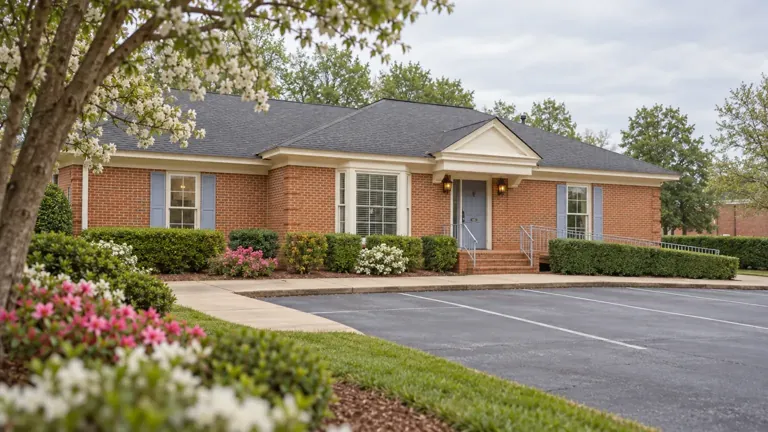
River City Recovery provides adult outpatient substance use and mental health care at 3822 Rosemont Drive, Columbus, Georgia. Available levels include a Partial Hospitalization Program, Intensive Outpatient Program, Evening IOP, and outpatient therapy. Evening IOP meets on Monday, Wednesday, and Thursday from 6:15 to 9:15 PM, but callers should reconfirm the schedule.
- Columbus, GA based outpatient care serves adults across Georgia
- Evening IOP hours should be reconfirmed
Services include clinical and medical assessments, individual therapy, medication management, drug testing and monitoring, medical oversight, case management, family support, and care coordination and referrals. Facility hours are Monday through Friday from 9:00 AM to 5:00 PM. Admissions can explain how these outpatient options are organized and whether another service should be considered first.

A practical next step
Get clarity on insurance and care
Coverage depends on your plan and the care being considered. Our admissions team can explain verification and help you understand the next step.
Frequently Asked Questions
What should I do if someone appears to be in immediate danger?
Contact emergency services when someone is unresponsive, cannot be awakened, has serious breathing difficulty, or appears to face an immediate medical threat. River City Recovery is an outpatient provider. For immediate danger, call 911 or use an appropriate emergency or crisis resource now.
What should I do if withdrawal may need medical care before outpatient treatment?
Withdrawal needs may require medical evaluation before considering outpatient care. Admissions can discuss available outpatient services and care coordination or referrals. The appropriate next step depends on current health, safety, and assessment needs.
Can a family member call about outpatient options?
Yes. A family member can call to ask general questions and learn about available services. Participation in care must respect the adult’s preferences and applicable privacy requirements. Family support is among the services offered by River City Recovery.
Where is outpatient care provided?
River City Recovery provides outpatient care at 3822 Rosemont Drive in Columbus, Georgia. Adults elsewhere in Georgia may call to discuss whether Columbus-based care is practical and what assessment or referral steps may apply.
How can outpatient care address fentanyl-related health and safety concerns in Columbus, GA?
Outpatient care can provide clinical and medical assessments, individual therapy, medication management, monitoring, and care coordination. River City Recovery serves adults through structured programs in Columbus, GA. Possible withdrawal needs call for appropriate medical evaluation before outpatient planning. For immediate danger, call 911 or use an appropriate emergency or crisis resource now.
Admissions
Talk with River City Recovery
Call 706-617-4970 to talk with River City Recovery admissions about outpatient options in Georgia.
Related Topics