Alcohol: Withdrawal and Safety in Georgia
Alcohol withdrawal can require medical evaluation. If withdrawal may be happening, seek appropriate medical advice before planning routine outpatient care.

Editorial lead: Tim Francis. Educational content receives source-based editorial review.
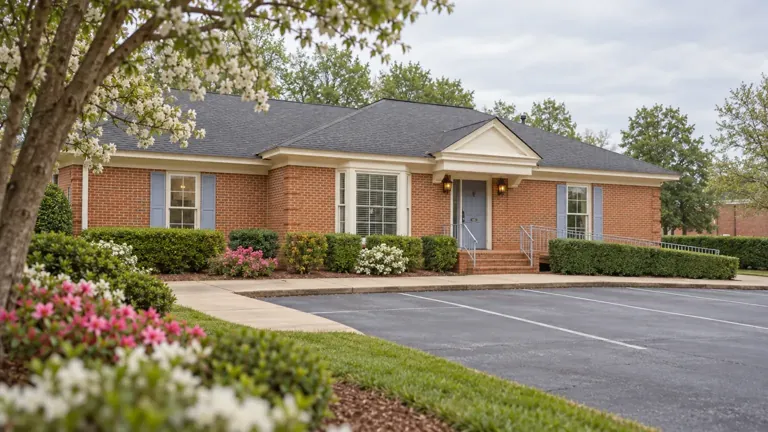
- LocationColumbus, GA3822 Rosemont Drive, Columbus, GA 31904
- Levels of careOutpatientPHP, IOP, Evening IOP, and outpatient therapy
- Admissions706-617-4970A private first call about fit and next steps
- Listed facility hoursMon–Fri9:00 AM to 5:00 PM; closed Saturday and Sunday
At a Glance
Alcohol withdrawal can require medical evaluation. If withdrawal may be happening, seek appropriate medical advice before planning routine outpatient care. For immediate danger or urgent medical attention, call 911 or use an appropriate emergency service now. After immediate needs are addressed, admissions can discuss River City's published outpatient services, assessments, and referrals.
River City Recovery’s published outpatient programs are based in Columbus, GA. You can review IOP, PHP, and insurance verification when you are ready.

Put immediate safety before outpatient planning
Questions about alcohol withdrawal should begin with present safety rather than a long-term program decision. If someone appears to be in immediate danger or needs urgent medical attention, contact emergency services or go to an appropriate emergency provider. River City Recovery’s published programs are outpatient care.
- Alcohol withdrawal safety comes before outpatient planning
- Columbus, GA outpatient care does not replace emergency evaluation
These boundaries matter because outpatient services are not a substitute for urgent medical evaluation. Once immediate concerns have been addressed, the next step may involve discussing alcohol use, mental health needs, daily responsibilities, and available support. A careful starting conversation can clarify whether outpatient assessment is reasonable or a referral should be considered first.
Understand the role of an initial assessment

An assessment helps organize information before a person enters outpatient care. River City Recovery offers clinical and medical assessments, along with medical oversight. During the admissions process, be prepared to describe current alcohol use, recent changes, medications, mental health concerns, and any immediate safety issues.
- An assessment helps clarify appropriate alcohol care
- Referrals may support needs beyond outpatient services
Clear information helps the team discuss an appropriate next step without promising admission or a particular result. If the person’s needs fall outside the services available at River City Recovery, care coordination and referrals may help connect the person with another resource. The goal of this conversation is to understand the situation, explain program boundaries, and identify a practical direction for care.
Explore outpatient services after safety needs are addressed
River City Recovery provides adult outpatient substance use and mental health care from its Columbus location. Available levels of care include a Partial Hospitalization Program, an Intensive Outpatient Program, an evening Intensive Outpatient Program, and outpatient therapy. Services may include individual therapy, medication management, drug testing and monitoring, case management, family support, care coordination, and referrals.
- Outpatient alcohol care follows a clinical assessment
- Columbus, GA programs support adults after safety needs
Medical oversight is also available within the outpatient setting. Program recommendations depend on assessment rather than a single label or concern. Withdrawal after prolonged heavy drinking can be dangerous. Medical assessment should determine whether withdrawal care or a more supervised setting is needed before outpatient participation is considered.

Levels of care
Outpatient Levels of Care in Columbus, GA
Partial Hospitalization (PHP)
Structured daytime outpatient care with clinical oversight.
Explore Partial Hospitalization (PHP)Intensive Outpatient (IOP)
Several treatment sessions each week while you keep up with daily life.
Explore Intensive Outpatient (IOP)Evening IOP
Intensive outpatient care scheduled after typical work hours.
Explore Evening IOPOutpatient Therapy
One-to-one therapy on a less intensive schedule.
Explore Outpatient Therapy
Starting alcohol care with Columbus, GA based outpatient care serving adults across Georgia

Your first call is a chance to discuss alcohol concerns, personal goals, daily responsibilities, transportation, family support, medications, and prior care. The team can explain the assessment process and the outpatient levels that may be considered. Facility hours are Monday through Friday, 9:00 AM to 5:00 PM.
- A first call explains the outpatient assessment process
- Reconfirm the published Evening IOP schedule with admissions
The evening Intensive Outpatient Program (IOP) is scheduled for Monday, Wednesday, and Thursday from 6:15 PM to 9:15 PM. Because schedules can change, the team will confirm current meeting times during your conversation. The call can also clarify what information or records may support an assessment and what happens next. To discuss outpatient care in Columbus, GA, call 706-617-4970.
Plan for continued support and coordination
Addressing alcohol use often requires more than choosing a program name. A workable outpatient plan should account for medical concerns, mental health needs, personal responsibilities, and the support available outside program hours. River City Recovery can provide case management, family support, and care coordination as part of its service options.
- Alcohol care can include support beyond therapy sessions
- Coordination connects outpatient planning with outside resources
Individual therapy and medication management may also be included when appropriate to the person’s plan. Monitoring can support accountability during care. If another service is needed, referrals can help connect outpatient planning with outside resources. To learn more, review the program information, read the admissions guidance, or contact the Columbus office at 3822 Rosemont Drive, Columbus, Georgia 31904.

A practical next step
Get clarity on insurance and care
Coverage depends on your plan and the care being considered. Our admissions team can explain verification and help you understand the next step.
Frequently Asked Questions
What if I may need withdrawal care before outpatient alcohol treatment?
Alcohol withdrawal can be dangerous after prolonged heavy drinking. Seek medical evaluation for possible withdrawal care before considering outpatient treatment. Admissions can discuss River City Recovery’s published outpatient options and referrals after immediate needs are addressed.
What should I do if alcohol withdrawal seems like an emergency?
If someone appears to be in immediate danger or needs urgent medical attention, contact emergency services or go to an appropriate emergency provider before considering outpatient programming.
What outpatient levels of care are available?
Available levels include a Partial Hospitalization Program, Intensive Outpatient Program, evening Intensive Outpatient Program, and outpatient therapy. Placement is based on assessment and service availability rather than a guaranteed admission decision.
Can family members participate in support?
Family support is among River City Recovery’s services. Admissions can explain how family involvement may fit the person’s outpatient plan while respecting appropriate privacy and program boundaries.
Can River City Recovery assess outpatient needs after alcohol withdrawal concerns are addressed?
Yes. River City Recovery offers clinical and medical assessments for adults considering outpatient alcohol care in Columbus, GA. The assessment helps the team understand substance use, mental health needs, medications, responsibilities, and available support. It may guide an outpatient recommendation or identify when care coordination and referrals are appropriate.
Admissions
Talk with River City Recovery
Call River City Recovery at 706-617-4970 to discuss outpatient alcohol recovery options in Georgia.
Related Topics