Nutrition Basics in Recovery in Georgia
Nutrition basics in recovery can begin with regular opportunities to eat, simple planning, and a nonjudgmental view of daily routines. The goal is not a perfect menu.

Editorial lead: Tim Francis. Educational content receives source-based editorial review.
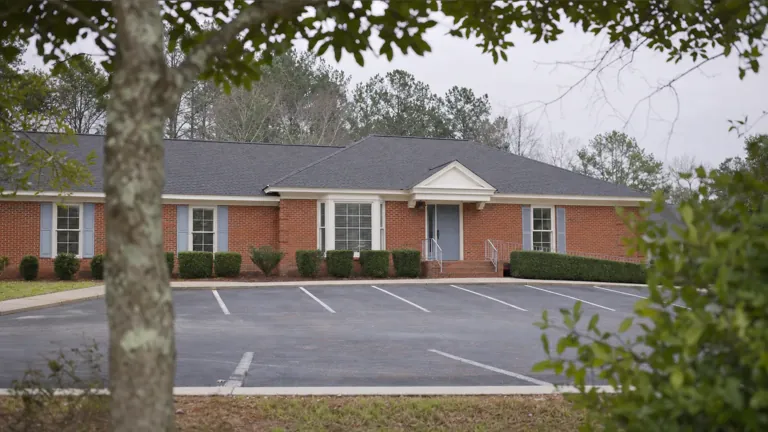
- LocationColumbus, GA3822 Rosemont Drive, Columbus, GA 31904
- Levels of careOutpatientPHP, IOP, Evening IOP, and outpatient therapy
- Admissions706-617-4970A private first call about fit and next steps
- Listed facility hoursMon–Fri9:00 AM to 5:00 PM; closed Saturday and Sunday
At a Glance
Nutrition basics in recovery can begin with regular opportunities to eat, simple planning, and a nonjudgmental view of daily routines. The goal is not a perfect menu. It is a workable structure that can be discussed as part of broader substance use and mental health support through River City Recovery’s Columbus-based outpatient care.
River City Recovery’s published outpatient programs are based in Columbus, GA. You can review IOP, PHP, and insurance verification when you are ready.

Keep nutrition goals simple and realistic
Recovery can involve many appointments, decisions, and changes. An elaborate food plan may be difficult to follow during that time. Start with basic structure. Identify when you usually have an opportunity to eat and which simple foods are practical to keep available. A workable plan is more useful than an ideal plan you cannot repeat.
- Simple nutrition basics can support a realistic recovery routine
- One missed meal does not define your recovery progress
Avoid turning meals into a test of whether recovery is going well. Routines can change because of work, caregiving, transportation, symptoms, or treatment schedules. If one meal does not go as planned, focus on the next available choice. This approach keeps attention on continuity rather than blame.
Nutrition needs can be personal. General information cannot account for medical conditions, medication questions, allergies, or other individual concerns. Bring those issues to an appropriate medical or clinical professional. Within recovery care, it can still be useful to discuss how planning, appetite, and daily structure affect participation in your routine.
Create a basic daily structure

Look at your typical day and mark realistic times for meals or snacks. Consider travel and appointments, not only time spent at home. If mornings are rushed, prepare one simple option the night before. If afternoons are unpredictable, plan what you can carry or access without adding complicated preparation.
- Daily structure can make nutrition choices more manageable
- Repeatable meals may reduce decisions during busy days
Use a short shopping list based on items you are likely to eat and can reasonably prepare. Group the list around several repeatable meals rather than many new recipes. When energy or attention is limited, fewer decisions may make the plan easier to follow. Adjust quantities and choices to your circumstances.
Link food planning with other routines. You might review the next day while preparing clothing or appointment materials. You could place a reminder near a calendar rather than relying on memory. These small prompts support consistency. They are not a substitute for individualized nutrition or medical advice when that is needed.
Notice patterns without judgment
A brief log may help if eating times feel irregular. Note when you ate, what barriers came up, and how the schedule affected your day. You do not need to calculate or score every item. The aim is to identify practical obstacles, such as missed shopping, travel, or an appointment that ran late.
- Nutrition patterns can inform your broader recovery care
- Small changes allow adjustment without judgment or pressure
Review the notes for one recurring problem. Then choose a direct response. That might mean adding an item to the shopping list, preparing something earlier, or changing when you set a reminder. Keep the change small enough to test. If it does not fit, revise it without treating the adjustment as failure.
Share relevant patterns with a care provider when they affect substance use recovery, mental health, medication questions, or participation in treatment. Honest discussion can place daily nutrition within the full recovery picture. River City Recovery offers medication management, clinical and medical assessments, and medical oversight among its outpatient services.

Levels of care
Outpatient Levels of Care in Columbus, GA
Partial Hospitalization (PHP)
Structured daytime outpatient care with clinical oversight.
Explore Partial Hospitalization (PHP)Intensive Outpatient (IOP)
Several treatment sessions each week while you keep up with daily life.
Explore Intensive Outpatient (IOP)Evening IOP
Intensive outpatient care scheduled after typical work hours.
Explore Evening IOPOutpatient Therapy
One-to-one therapy on a less intensive schedule.
Explore Outpatient Therapy
Include daily routines in outpatient care
River City Recovery provides adult outpatient substance use and mental health services in Columbus. Levels of care include PHP, IOP, Evening IOP, and outpatient therapy. Other services include individual therapy, drug testing and monitoring, case management, family support, care coordination, and referrals. Assessment helps inform the appropriate outpatient path.
- Columbus, GA outpatient care can include daily routine concerns
- Assessment helps identify an appropriate outpatient path
The program is located at 3822 Rosemont Drive, Columbus, GA 31904. Facility hours are Monday through Friday from 9:00 AM to 5:00 PM. Evening IOP meets on Monday, Wednesday, and Thursday from 6:15 to 9:15 PM. Callers should reconfirm that schedule.
Adults throughout Georgia can contact the Columbus-based program to discuss whether outpatient care may fit their needs. Admission and outcomes are not guaranteed, and insurance information must be verified.

Explore Nutrition Basics in Recovery
- Nutrition Basics in Recovery: OverviewLearn basic nutrition principles that can support daily routines during recovery in Georgia, plus when to discuss outpatient care with River City…
- Nutrition Basics in Recovery: Practical TipsExplore practical nutrition tips for recovery in Georgia, including flexible meal routines, planning for difficult days, and outpatient support…
- Nutrition Basics in Recovery: When to CallLearn when nutrition or recovery concerns may warrant a professional call and how to ask River City Recovery about outpatient care in Georgia.
A practical next step
Get clarity on insurance and care
Coverage depends on your plan and the care being considered. Our admissions team can explain verification and help you understand the next step.
Frequently Asked Questions
Do I need a complicated meal plan during recovery?
No. A basic routine can start with realistic times to eat, a short shopping list, and simple options that fit your day. Individual medical or nutrition concerns should be discussed with an appropriate professional.
Can nutrition routines be discussed in outpatient treatment?
Daily routines may be relevant when discussing recovery goals, medication questions, mental health, and treatment participation. River City Recovery offers individual therapy, medication management, assessments, medical oversight, case management, and other outpatient supports.
What programs does River City Recovery offer?
River City Recovery offers a Partial Hospitalization Program, Intensive Outpatient Program, Evening IOP, and outpatient therapy for adults. The suitable option depends on individual assessment, program availability, and the outpatient scope of care.
Can medication and nutrition concerns be discussed in Columbus, GA outpatient care?
Yes. Relevant nutrition patterns and medication concerns can be discussed as part of outpatient care. River City Recovery offers medication management, clinical and medical assessments, and medical oversight in Columbus, GA. General nutrition information does not replace individualized guidance for medical conditions, allergies, or other personal needs.
How can daily nutrition fit around outpatient recovery appointments?
A simple structure can help meals or snacks fit around travel, work, and appointments. Practical options may include repeatable meals and choices that require fewer decisions. River City Recovery can address daily routines within broader outpatient substance use and mental health care, while individualized nutrition needs belong with an appropriate medical or clinical professional.
Admissions
Talk with River City Recovery
Call River City Recovery at 706-617-4970 to ask how adult outpatient care can support a broader recovery plan.
Related Topics