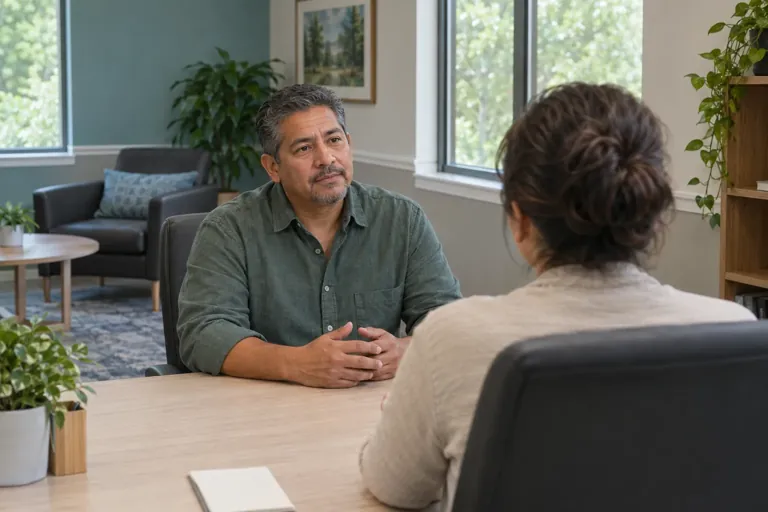
Finding Motivation for Change: Practical Tips in Georgia
Practical motivation strategies include naming one personal reason for change, choosing a small action, planning for obstacles, and reviewing progress without harsh judgment. Motivation can vary, so rely on structure as well as feelings.

Editorial lead: Tim Francis. Educational content receives source-based editorial review.
- LocationColumbus, GA3822 Rosemont Drive, Columbus, GA 31904
- Levels of careOutpatientPHP, IOP, Evening IOP, and outpatient therapy
- Admissions706-617-4970A private first call about fit and next steps
- Listed facility hoursMon–Fri9:00 AM to 5:00 PM; closed Saturday and Sunday
At a Glance
Practical motivation strategies include naming one personal reason for change, choosing a small action, planning for obstacles, and reviewing progress without harsh judgment. Motivation can vary, so rely on structure as well as feelings. Georgia adults may contact River City Recovery to ask whether Columbus-based outpatient care could support their current goals and needs.
River City Recovery’s published outpatient programs are based in Columbus, GA. You can review IOP, PHP, and insurance verification when you are ready.

Write down one meaningful reason
Begin with a reason that belongs to you rather than one chosen by someone else. It might involve health, relationships, responsibilities, stability, or the desire to feel more present in daily life. Write it in simple language and keep it somewhere accessible. Add one example of how change could support that value. If several reasons come to mind, choose the one that feels most immediate.
- A personal reason can support meaningful change
- Your motivation can change as your priorities develop
The purpose is not to create pressure. It is to have a reminder when motivation becomes less clear. Review the statement and revise it when needed. Your priorities may develop as circumstances change. A reason does not have to be dramatic to matter. It only needs to be personally relevant enough to support the next decision.
Turn the goal into a small scheduled action

Broad intentions are easier to postpone. Convert your goal into an action with a time, place, and clear finish point. For example, spend ten minutes listing concerns, review the program options, or prepare three questions for admissions. Keep the first step manageable. After completing it, decide on the next one rather than planning every stage at once.
- Small scheduled actions make change feel more manageable
- Adjusting a missed step can keep motivation moving
If you do not complete the action, examine the barrier. The step may have been too large, poorly timed, or missing support. Adjust it without using the experience as proof that change cannot happen. Progress may involve repeated attempts. A practical plan expects variation and creates another opportunity to act when motivation returns.
Design the environment to support the plan
Motivation is affected by routines, surroundings, stress, and access to support. Identify situations that make your goal harder to follow. Then choose one change that reduces friction. You might place a reminder near your calendar, ask a trusted person to check in, or keep provider questions beside your phone. Plan a response for moments when you feel uncertain.
- Supportive routines can protect motivation during uncertain moments
- Family support may strengthen your plan for change
This could include reviewing your reasons, waiting before making a decision, or contacting an appropriate support. Protecting privacy can also matter. Decide in advance what you want to share and with whom. If family involvement would be useful, River City Recovery includes family support among its services. The adult seeking care can ask how that support may fit.

Levels of care
Outpatient Levels of Care in Columbus, GA
Partial Hospitalization (PHP)
Structured daytime outpatient care with clinical oversight.
Explore Partial Hospitalization (PHP)Intensive Outpatient (IOP)
Several treatment sessions each week while you keep up with daily life.
Explore Intensive Outpatient (IOP)Evening IOP
Intensive outpatient care scheduled after typical work hours.
Explore Evening IOPOutpatient Therapy
One-to-one therapy on a less intensive schedule.
Explore Outpatient Therapy
Use professional structure when self-directed steps stall
Consider asking about outpatient care when concerns continue despite repeated efforts, or when you want more structure. River City Recovery offers Partial Hospitalization Program, Intensive Outpatient Program, Evening IOP, and outpatient therapy in Columbus. Services may include individual therapy, assessments, medication management, monitoring, medical oversight, case management, family support, and care coordination.
- Outpatient care can add structure when motivation stalls
- Columbus, GA based care may serve adults across Georgia
Program fit requires an individual process and cannot be promised. Adults elsewhere in Georgia can discuss travel, scheduling, and whether Columbus-based care is a practical option. The how to start page provides additional preparation for contacting admissions.

A practical next step
Get clarity on insurance and care
Coverage depends on your plan and the care being considered. Our admissions team can explain verification and help you understand the next step.
Frequently Asked Questions
What is the smallest useful first step?
Choose a step you can clearly complete, such as writing one reason for change, listing questions, or learning about a program. A small action can provide information and momentum. It does not require you to settle every treatment decision in advance.
How should I handle a loss of motivation?
Return to your personal reason, reduce the size of the next action, and review what created the barrier. Avoid treating one difficult period as a final result. If self-directed efforts repeatedly stall, asking about structured outpatient support may be useful.
What can I prepare before calling admissions?
Write down your main concerns, current medications, previous care, schedule limitations, transportation needs, and questions about services. You can ask about assessments, program structure, family support, monitoring, and referrals. Adults outside Columbus should also consider the practical requirements of regular travel.
Can outpatient care help when my motivation changes from day to day?
Yes, outpatient care can provide structure when motivation feels inconsistent. River City Recovery offers adult substance use and mental health care in Columbus, GA. Available levels include PHP, Intensive Outpatient Program (IOP), Evening IOP, and outpatient therapy. An individual assessment helps guide the discussion about fit.
Do I need a major reason to begin making a change?
No, your reason only needs to matter to you. It may involve health, relationships, responsibilities, stability, or being more present in daily life. Starting with one personally meaningful reason can make the next decision clearer. That reason may also change as your needs and circumstances develop.
Admissions
Talk with River City Recovery
Call River City Recovery at 706-617-4970 to ask questions and explore a manageable next step toward adult outpatient support.
Related Topics