Understanding Cravings in Georgia
Cravings are strong urges that may involve thoughts, emotions, physical sensations, or learned responses to certain situations. They can occur during recovery without meaning that progress has failed.

Editorial lead: Tim Francis. Educational content receives source-based editorial review.
- LocationColumbus, GA3822 Rosemont Drive, Columbus, GA 31904
- Levels of careOutpatientPHP, IOP, Evening IOP, and outpatient therapy
- Admissions706-617-4970A private first call about fit and next steps
- Listed facility hoursMon–Fri9:00 AM to 5:00 PM; closed Saturday and Sunday
At a Glance
Cravings are strong urges that may involve thoughts, emotions, physical sensations, or learned responses to certain situations. They can occur during recovery without meaning that progress has failed. Recognizing triggers, delaying action, changing the environment, and contacting support may help. Persistent or difficult cravings are reasonable to discuss with an outpatient substance use professional.
River City Recovery’s published outpatient programs are based in Columbus, GA. You can review IOP, PHP, and insurance verification when you are ready.

What a craving can feel like
A craving may feel like a sudden urge, repeated thought, physical restlessness, or strong pull toward substance use. The experience varies between people and can change over time. Some cravings rise quickly, while others build as stress, isolation, fatigue, or exposure to reminders accumulates.
- Cravings can be noticed without erasing your recovery effort
- Frequent or intense cravings may benefit from professional assessment
Having a craving does not erase previous effort. It is an experience that can be noticed and responded to. Shame may make it harder to ask for help, so neutral language is useful. A person can identify what is happening, name the urge, and focus on the next safe action. Professional assessment can help when cravings are frequent, intense, or connected to continued use.
Common triggers and personal patterns
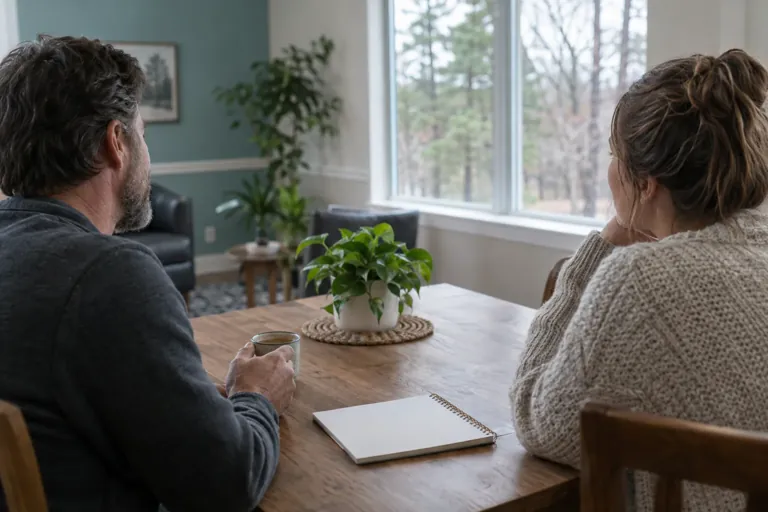
Triggers can include people, places, objects, routines, emotions, conflict, celebrations, or certain times of day. Internal experiences, such as anxiety, low mood, anger, boredom, or a distressing memory, may also play a role. A trigger does not always lead to substance use, but recognizing patterns can make planning easier.
- Recognizing personal triggers can make recovery planning more practical
- Therapy can help when tracking cravings feels distressing
A brief record of the situation, thoughts, feelings, and response may reveal recurring themes. Tracking should remain simple and should not become another source of distress. Some people benefit more from discussing events in therapy. The goal is not to eliminate every possible reminder. It is to develop realistic responses, supportive contacts, and safer choices for predictable high-risk situations.
Practical responses when a craving appears
Start by creating time between the urge and any action. Move away from available substances or a triggering setting when possible. Contact a supportive person, use a previously practiced coping skill, or shift attention to a concrete task. Basic needs such as food, fluids, rest, and connection are also worth checking.
- Creating time can separate a craving from action
- Structured outpatient care can add support beyond self-directed coping
No single strategy works every time. A written plan can list several options, including who to call and where to go. If one approach is ineffective, choose another rather than treating the craving as a personal failure. When cravings repeatedly lead to use or feel hard to manage safely, outpatient assessment and structured treatment may provide more support than self-directed coping alone.

Levels of care
Outpatient Levels of Care in Columbus, GA
Partial Hospitalization (PHP)
Structured daytime outpatient care with clinical oversight.
Explore Partial Hospitalization (PHP)Intensive Outpatient (IOP)
Several treatment sessions each week while you keep up with daily life.
Explore Intensive Outpatient (IOP)Evening IOP
Intensive outpatient care scheduled after typical work hours.
Explore Evening IOPOutpatient Therapy
One-to-one therapy on a less intensive schedule.
Explore Outpatient Therapy
Outpatient support for cravings in Georgia
River City Recovery offers adult outpatient substance use and mental health care from Columbus. Levels of care include PHP, IOP, Evening IOP, and outpatient therapy. Depending on individual needs and program fit, services may include individual therapy, medication management, monitoring, assessments, medical oversight, case management, family support, and care coordination and referrals.
- Columbus, GA based outpatient care serving adults across Georgia
- Admissions can explain available outpatient support for cravings
Admissions can explain how to start and discuss the available outpatient structure. People outside Columbus can call before traveling to ask whether Columbus-based care appears practical. Anyone facing immediate danger or a medical emergency should use local emergency resources.

Explore Understanding Cravings
- Understanding Cravings: OverviewRead an overview of cravings, triggers, coping plans, and structured adult outpatient support through River City Recovery in Columbus, Georgia.
- Understanding Cravings: Practical TipsLearn practical ways to respond to substance cravings in Georgia and when outpatient support from River City Recovery may be appropriate.
- Understanding Cravings: When to CallLearn when substance cravings may warrant a call for outpatient support in Georgia and how River City Recovery can help you explore next steps.
A practical next step
Get clarity on insurance and care
Coverage depends on your plan and the care being considered. Our admissions team can explain verification and help you understand the next step.
Frequently Asked Questions
Does having a craving mean recovery is failing?
No. A craving is an urge, not proof that a person has failed. It can be treated as information about triggers, stress, routines, or support needs. What matters is the response. Repeated or intense cravings may signal that the recovery plan needs additional structure or professional input.
How long does a craving last?
There is no fixed duration. Cravings differ by person, situation, substance, and trigger. Rather than relying on a precise timeline, focus on creating distance from the trigger and using a safe response plan. Seek professional support when cravings remain persistent, lead to use, or feel difficult to manage.
Can River City Recovery help with cravings and mental health symptoms?
River City Recovery provides adult outpatient substance use and mental health services. Available care may include therapy, medication management, assessments, medical oversight, case management, family support, monitoring, and referrals. Admissions can discuss the person's concerns and explain which outpatient level may be considered.
What can trigger cravings during recovery in Georgia?
Cravings can be connected to people, places, objects, routines, emotions, conflict, celebrations, or certain times of day. Anxiety, low mood, anger, boredom, fatigue, and distressing memories may also contribute. Recognizing a pattern does not eliminate every trigger, but it can support more realistic responses and safer choices.
When may outpatient care help with recurring cravings?
Outpatient care may help when cravings are frequent, intense, repeatedly connected to substance use, or difficult to manage safely. River City Recovery offers adult outpatient substance use and mental health care in Columbus, GA. An assessment can help clarify whether structured care may provide more support than self-directed coping alone.
Admissions
Talk with River City Recovery
Call River City Recovery at 706-617-4970 to talk about cravings and adult outpatient care in Georgia.
Related Topics