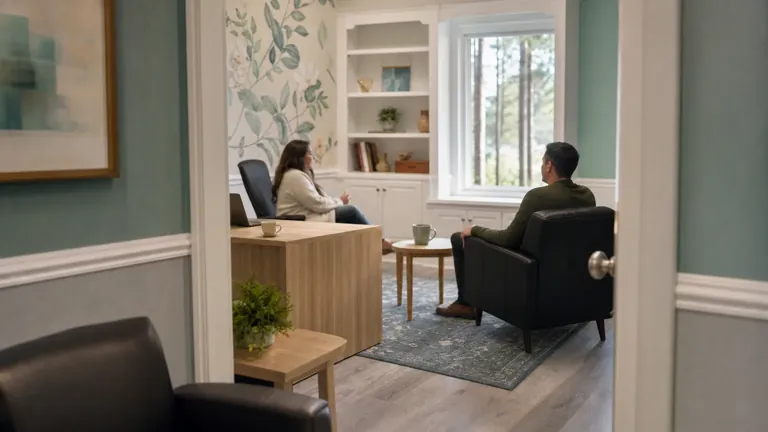
Obsessive-Compulsive Disorder: When Substance Use Is Also Present in Georgia
When OCD symptoms and substance use are both present, an integrated assessment can clarify how each concern affects safety, functioning, medications, and daily routines. River City Recovery provides adult outpatient mental health and substance use support in Georgia.

Editorial lead: Tim Francis. Educational content receives source-based editorial review.
- LocationColumbus, GA3822 Rosemont Drive, Columbus, GA 31904
- Levels of careOutpatientPHP, IOP, Evening IOP, and outpatient therapy
- Admissions706-617-4970A private first call about fit and next steps
- Listed facility hoursMon–Fri9:00 AM to 5:00 PM; closed Saturday and Sunday
At a Glance
When OCD symptoms and substance use are both present, an integrated assessment can clarify how each concern affects safety, functioning, medications, and daily routines. River City Recovery provides adult outpatient mental health and substance use support in Georgia. Services may include therapy, medication management, drug monitoring, family support, case management, and coordinated referrals.
River City Recovery’s published outpatient programs are based in Columbus, GA. You can review IOP, PHP, and insurance verification when you are ready.

How OCD symptoms and substance use may interact
An adult with intrusive thoughts or compulsive behavior may also use alcohol or drugs. Some people describe using substances to escape anxiety or quiet distress temporarily. Substance use can also worsen sleep, judgment, mood, medication adherence, and everyday functioning. Each concern deserves direct, non-stigmatizing attention during assessment.
- OCD symptoms and substance use can affect each other
- An assessment helps clarify overlapping concerns without blame
It may be difficult to tell whether a symptom is related to OCD, substance use, withdrawal, another mental health concern, or a combination of factors. A diagnosis should not be based on an online description. A professional assessment can review timing, patterns, functional impact, medical considerations, and the substances involved.
Honesty about frequency, amount, recent use, and current medications helps providers understand the situation. The purpose is not to label or punish the person. Accurate information supports decisions about whether outpatient care is appropriate and which services may be useful. River City Recovery does not promise admission before review.
Assessment and adult outpatient options

River City Recovery offers clinical and medical assessments, medical oversight, individual therapy, and medication management. For substance use needs, services can also include drug testing and monitoring. Case management, family support, care coordination, and referrals may address other parts of the person’s care and practical circumstances.
- OCD and substance use needs receive individual review
- Outpatient options depend on your assessed needs and safety
Available levels include a Partial Hospitalization Program, Intensive Outpatient Program, Evening IOP, and outpatient therapy. The appropriate level depends on assessed needs and whether those needs can be managed safely in an outpatient setting. A diagnosis of OCD does not automatically determine program placement or the services included.
Some substance-related situations may require a service outside its scope. Care coordination and referrals can support another next step when appropriate. Admission staff can explain the boundaries of the Columbus-based programs.
Safety and medication considerations
Tell the assessment team about prescribed medications, nonprescribed substances, supplements, and recent changes in use. Medication management requires an accurate picture of what a person takes and how consistently they take it. Adults should not alter prescribed medication based only on general website information.
- Accurate medication and substance information supports safer planning
- OCD outpatient care cannot replace emergency help
Immediate danger requires emergency help rather than an outpatient admissions process. If someone may harm themselves or another person, cannot remain safe, or has another urgent medical or psychiatric emergency, contact 911 or go to the nearest emergency department.
Outpatient appropriateness depends on the individual situation. Admissions and assessment can consider current functioning, substance use, mental health symptoms, medical needs, and available support. No program can guarantee recovery or a particular outcome. A careful discussion can still identify a practical and respectful next step.

Levels of care
Outpatient Levels of Care in Columbus, GA
Partial Hospitalization (PHP)
Structured daytime outpatient care with clinical oversight.
Explore Partial Hospitalization (PHP)Intensive Outpatient (IOP)
Several treatment sessions each week while you keep up with daily life.
Explore Intensive Outpatient (IOP)Evening IOP
Intensive outpatient care scheduled after typical work hours.
Explore Evening IOPOutpatient Therapy
One-to-one therapy on a less intensive schedule.
Explore Outpatient Therapy
Calling from Georgia about Columbus-based care
River City Recovery is located at 3822 Rosemont Drive, Columbus, GA 31904. Adults across Georgia may call to discuss whether attending outpatient care in Columbus is workable.
- Adults across Georgia can explore Columbus, GA based care
- Evening program times should be reconfirmed before travel
The Evening IOP meets on Monday, Wednesday, and Thursday from 6:15 PM to 9:15 PM, subject to reconfirmation. Facility hours are Monday through Friday from 9:00 AM to 5:00 PM. Listed facility hours do not establish continuous admissions or emergency availability.
Before calling, note OCD-related symptoms, substance use patterns, current medications, prior care, and the effect on daily life. Ask about assessment, program intensity, monitoring, family support, referrals, and payment verification. River City Recovery is listed in The Joint Commission provider locator under provider ID 744716 for PHP, IOP, and outpatient therapy categories.

A practical next step
Get clarity on insurance and care
Coverage depends on your plan and the care being considered. Our admissions team can explain verification and help you understand the next step.
Frequently Asked Questions
Can River City Recovery address mental health and substance use together?
River City Recovery provides adult outpatient mental health and substance use services. Assessment can consider both concerns. Available support includes individual therapy, medication management, monitoring, case management, family support, medical oversight, and care coordination.
What should I do if withdrawal may need medical care before outpatient treatment?
Withdrawal needs may require medical evaluation before considering outpatient care. Overnight care involves a different setting from the published outpatient programs. For immediate danger, call 911 or use an emergency or crisis resource now. Admissions can discuss outpatient scope and care coordination when another service may be needed.
Will drug testing be part of care?
Drug testing and monitoring are available services, but their use depends on the person’s assessed needs and care plan. Admissions or the assessment team can explain how monitoring may relate to a particular outpatient program.
What information should a caller share?
Share the main OCD-related symptoms, recent substance use, current medications, medical concerns, prior treatment, and effects on work, relationships, sleep, or daily routines. Accurate information helps determine whether outpatient care may be appropriate.
Can I attend outpatient care in Columbus, GA while living elsewhere in Georgia?
Yes, adults across Georgia may call about attending outpatient care in Columbus, GA. River City Recovery’s published outpatient programs are based in Columbus, so you would need to consider travel and program schedules. Facility hours are Monday through Friday, 9:00 AM to 5:00 PM. The Evening IOP schedule should be reconfirmed before making plans.
Admissions
Talk with River City Recovery
Call River City Recovery at 706-617-4970 to discuss OCD and substance use concerns and whether its published Columbus outpatient options may fit after assessment.
Related Topics