
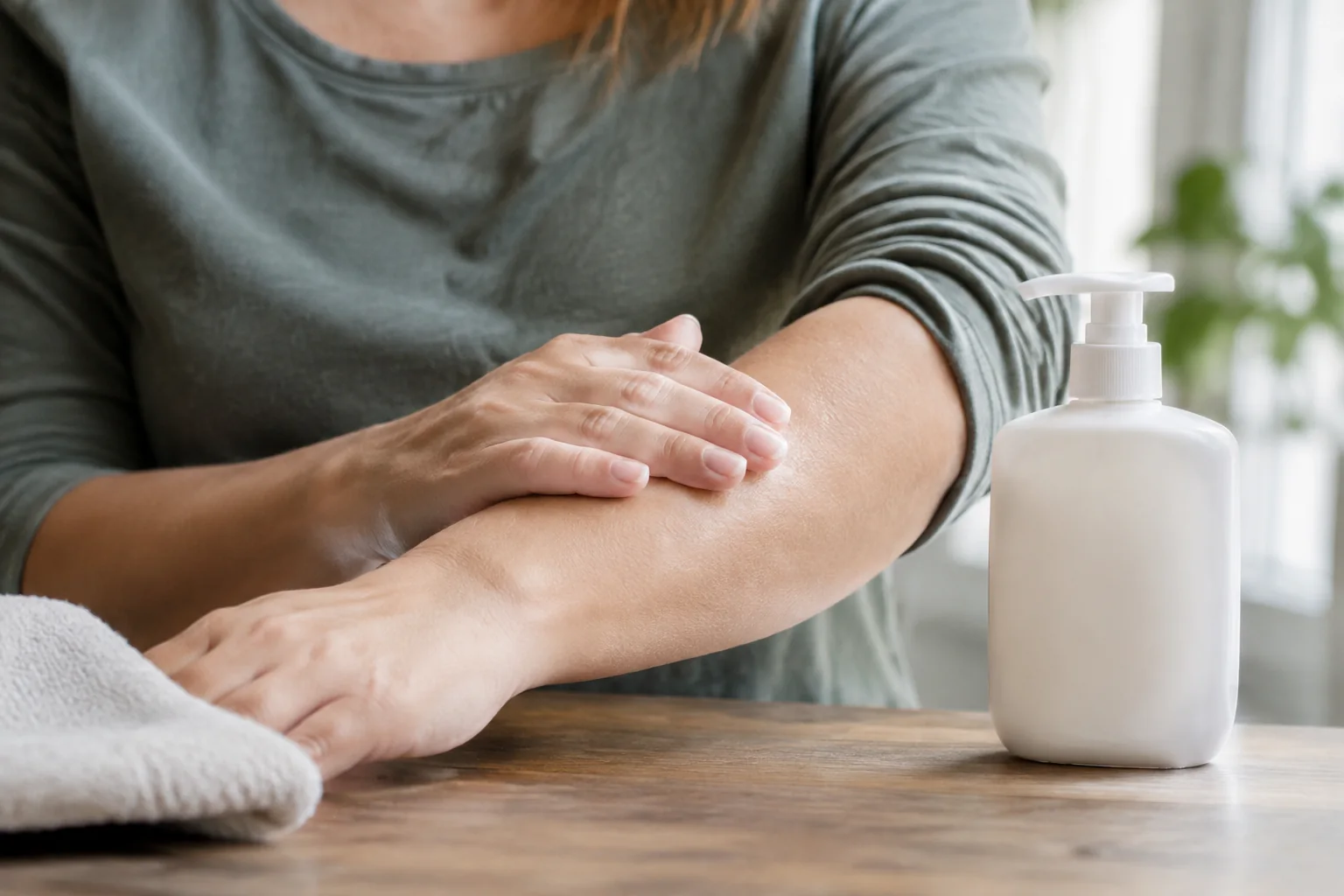
Alcohol and psoriasis can raise hard questions when skin symptoms change. Some health advice says heavy drinking may worsen symptoms for some people. That does not prove drinking caused the disease or a single flare. Research on new cases also cannot settle what happens to someone’s current skin.
Skin care and support for drinking concerns are separate needs. A doctor can check skin changes and discuss care. Another health worker can help when drinking is hard to control or harms health. Neither a skin flare nor one study can explain a person’s full health picture.
Does drinking make psoriasis worse?
Some people notice worse skin after drinking, but this does not happen to everyone. NIAMS skin guidance links heavy drinking with worse symptoms in some studies. Assessment of drinking and other health needs can accompany skin care. Alcohol treatment in Georgia addresses drinking concerns while a doctor assesses the rash.
That advice allows for different experiences. A flare may follow a drink, but timing alone cannot show what caused it. Symptoms can get worse, then ease. Other changes in health or daily life may happen at the same time.
If a pattern seems to repeat, mention it to a doctor who knows your health. Illness, stress, and medicine changes may also matter. A doctor can weigh the full picture. Your own observations can help explain what happened, but they cannot prove a cause.
A skin change deserves care even when drinking is also a concern. A skin doctor or another health worker can assess the rash and discuss care. Trouble controlling drinking deserves attention too, whether or not it affects the skin.
Does alcohol cause psoriasis?
Research has not shown that drinking causes psoriasis. A Danish study found an association, but its gene-based test did not support a cause. Decisions about alcohol treatment depend on drinking concerns, not this study alone. Assessment can consider other health needs alongside drinking without treating a group finding as a diagnosis.
The study included 102,655 adults in Denmark. The researchers compared people who reported more than 224 grams of alcohol per week with people who reported 1 to 112 grams. These were study groups, not safe limits or drinking advice.
In the study’s adjusted results, the higher-use group had a 30% higher rate of new cases than the lower-use group. This number is a relative comparison between groups. It does not mean that 30 out of 100 people got the disease. It also does not predict one person’s chance of getting it. The study did not give an absolute risk for an individual.
The moderate-use group did not show a link with new cases compared with the lower-use group. Still, the researchers saw a trend across the three groups. That finding cannot tell us whether drinking caused the change. Other differences between people may help explain a link.
The researchers also used gene variants linked with how people process alcohol. These variants can help test whether drinking itself may play a part. The gene-based test did not find a link with new cases. That result adds useful evidence, but it does not prove that drinking can never affect skin symptoms.
The study does not answer whether drinking sets off a flare in one person. It focused on new cases, not changes in symptoms among people who already had the disease. The full study report describes its methods and limits.
| Evidence | What it found | What it cannot show |
|---|---|---|
| Study that watched people | Higher reported drinking went with more new cases. | Whether drinking caused those cases. |
| Gene-based test | The gene measure did not link to new cases. | Whether drinking sets off one person’s flare. |
| Health advice | Some studies link heavy drinking with worse symptoms. | That everyone’s skin will worsen after drinking. |
The study had limits. People reported their own drinking, which may not match what they drank. The researchers used health records to find cases. Those records mostly included people treated in hospitals, so mild cases may have been missed. The study included people of Scandinavian descent. Its results may not fit all groups in the same way.
What is psoriasis, and what can a flare tell you?
Psoriasis is a long-lasting skin disease. The immune system makes skin cells grow too fast, leading to red, scaly patches. NIAMS describes the disease. A doctor can assess the skin while alcohol-related health needs receive separate attention. Help for drinking in Georgia does not replace that skin assessment.
NIAMS says genes and things in a person’s surroundings may both play a part. Scientists do not know all the causes. Signs can differ from person to person. Skin may itch or burn. Some people have dry, cracked skin. Others have nail changes or patches on different parts of the body.
A flare means symptoms have changed. It does not say why. More than one thing may be involved. Other health changes may happen at the same time. Noticing a change can help explain it to a doctor, but it is not a test of cause.
Signs can include:
- Raised red patches with pale scales.
- Dry, cracked skin that may bleed.
- Thick, ridged, or pitted nails.
- Itching or burning in affected areas.
These signs alone do not confirm the disease. NIAMS says a doctor often checks the skin, scalp, and nails. The doctor may ask about symptoms, family health, recent illness, stress, medicines, or sore joints. A small skin sample may help rule out other conditions that look alike.
How should alcohol use be considered alongside psoriasis care?
Skin care depends on the disease’s type, place, and severity. NIAMS treatment advice says to moderate drinking, since some studies link heavy use with worse symptoms. This is not a skin treatment. After prolonged heavy drinking, sudden stopping can cause life-threatening withdrawal; NIAAA says medical help may be needed. River City’s IOP and partial hospitalization program are addiction care, not skin clinics.
There is no cure at this time, but care can control symptoms and help with daily life and sleep. NIAMS says a doctor considers the type, severity, and place of the rash, along with possible side effects. Care may use creams, other medicines, or light treatment. This is general information, not advice to start or change care.
Changing drinking does not replace skin care. A change in symptoms does not mean a prescribed medicine is no longer needed. Tell a doctor about drinking and medicines when they matter to your care. Do not stop or change a medicine on your own.
NIAMS also suggests ways to care for the skin and limit known triggers. Some people find that stress, cold weather, skin injuries, certain medicines, or infections make symptoms worse. These things do not affect everyone in the same way. A list of common triggers cannot explain one person’s flare.
Simple skin care may help some people feel more comfortable:
- Use mild soap and lukewarm bath water.
- Apply a thick moisturizer while skin is damp.
- Ask a doctor about safe sun exposure.
NIAMS notes that a little sunlight may help some people, while too much can worsen symptoms. Ask a doctor before using sunlight as care. A dermatologist treats skin, hair, and nail conditions. Other health workers may also help with care. A skin concern needs its own check even when drinking is a concern too.
When might alcohol use deserve its own support?
Drinking may need attention when it is hard to control or causes harm at home, work, or to health. NIAAA describes signs of alcohol use disorder. Assessment can guide whether intensive outpatient addiction support fits. You can ask River City Recovery about adult outpatient care while a doctor evaluates skin symptoms.
NIAAA defines alcohol use disorder as trouble stopping or controlling drinking despite harm. It can be mild, moderate, or severe. A health worker looks at symptoms and how many are present. Signs may include drinking more than planned, trying to cut down without success, strong urges to drink, or drinking despite a health problem.
One sign does not let you diagnose yourself or someone else. It can still be a reason to seek help. NIAAA says treatment may include talk therapy, peer support groups, or medicine. The right care varies. It may take place as outpatient or inpatient care, based on a person’s needs.
Keep the skin concern and the drinking concern separate. A doctor can assess the skin. A trained health worker can assess drinking and discuss care. A finding about new skin cases does not tell anyone whether they need addiction care. Trouble with drinking matters on its own, whatever the skin is doing.
River City Recovery provides adult outpatient addiction treatment in Columbus, Georgia, including PHP and IOP. Assessment and current availability guide a discussion of which program may fit. Skin care, medical detox, inpatient care, and emergency treatment need their own appropriate setting. You can call with general questions for yourself or for an adult you love. Staff can explain the outpatient structure and the first steps. Care decisions center on the adult’s needs, choices, and privacy. Family involvement depends on the adult’s wishes and what fits their care.
If you are concerned about drinking, NIAAA warns that people with severe alcohol use disorder may need medical help to avoid withdrawal. Sudden stopping after prolonged heavy drinking can lead to life-threatening withdrawal. Do not try to manage this alone. Seek medical guidance before stopping when withdrawal may be a concern. This warning is about drinking safety, not a psoriasis treatment plan.
For Columbus outpatient care, contact River City Recovery or call 706-617-4970. This is a way to discuss the services offered, not emergency medical care. A seizure or other medical emergency needs emergency services, not an admissions call.
Further sources
- NIAMS overview of psoriasis
- Full Danish study on alcohol and new cases
- NIAAA facts on alcohol use disorder
Frequently asked questions
Does drinking make psoriasis worse?
It may worsen symptoms for some people, but it does not affect everyone in the same way. NIAMS says some studies link heavy drinking with worse symptoms. A flare after drinking does not prove cause. A doctor who knows your skin history can assess a change and discuss care. Sources: Primary source; Primary source.
Can alcohol cause psoriasis?
The Danish study found a link between higher drinking and new cases in one analysis, but its gene-based test did not support a cause. The study looked at new diagnoses, not flares in people who already had the disease. It cannot predict one person’s risk or explain a skin change. Sources: PMC.
How is psoriasis diagnosed?
A doctor usually checks the skin, scalp, and nails, then asks about symptoms and health. NIAMS says the doctor may ask about family history, recent illness, stress, medicines, and sore joints. A small skin sample may help rule out lookalike conditions. A written description cannot confirm the disease. Sources: Primary source.
If alcohol affects my health, can I get support?
Yes. Trouble controlling drinking or continuing despite harm is a reason to seek an assessment, whether or not drinking affects your skin. NIAAA describes care that may include talk therapy, peer groups, or medicine. Adults in Columbus, Georgia, can contact River City Recovery about its outpatient addiction programs. Sources: NIAAA; RiverCityRecovery; RiverCityRecovery.
By Tim Francis, SUD Content Specialist. Reviewed by clinical staff.